

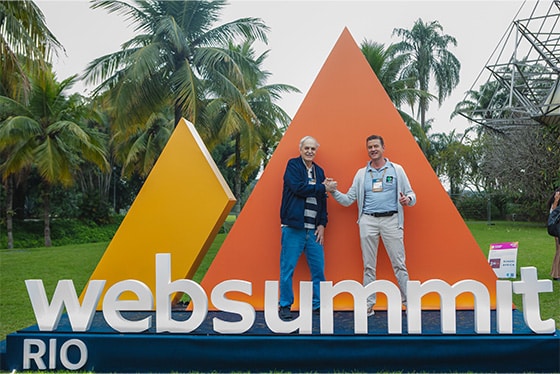
The Black Jaguar Foundation took ecological restoration to one of the world’s biggest stages for technology, innovation, and entrepreneurship during Web Summit Rio 2026. With more than 40,000 attendees, the event brought together business leaders, investors, scientists, policymakers, and innovators to explore solutions for the world’s most pressing challenges.
Represented by Founder Ben Valks and climate scientist Professor Carlos Nobre, the Foundation participated in a series of high-profile discussions that significantly expanded the visibility of the Araguaia Biodiversity Corridor.
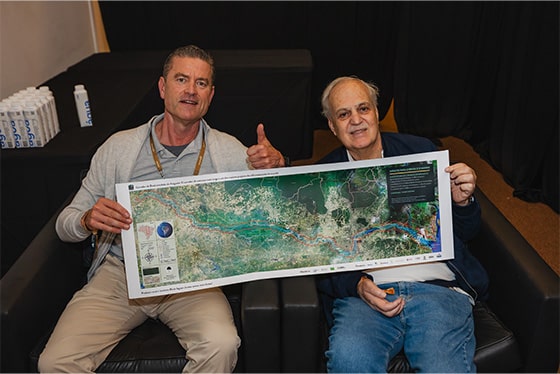
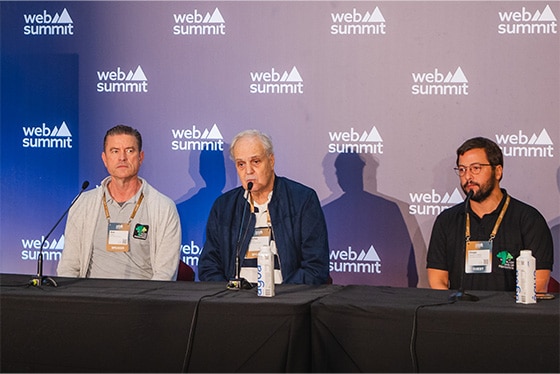
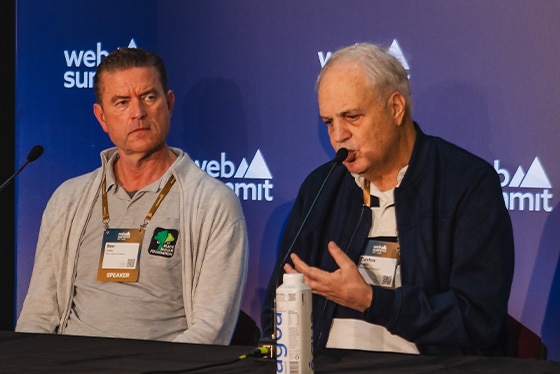
The programme began with a press conference introducing the project, followed by the panel “The Biodiversity Crisis is a Business Crisis,” held on the Center Stage, Web Summit’s main stage, and attended by approximately 950 people.
The discussion explored how biodiversity loss affects economies, businesses, and climate resilience, making the case for nature restoration as a fundamental investment in our collective future.
Alongside Carlos Nobre, the panel featured Sonia Guajajara, Felipe Villela (Earthshot Prize), Márcio Gomes (CNN Brasil), and climate law and sustainability expert Bruno Camargo. Together, they demonstrated how science, business, media, and public policy must work hand in hand to address the global biodiversity crisis.



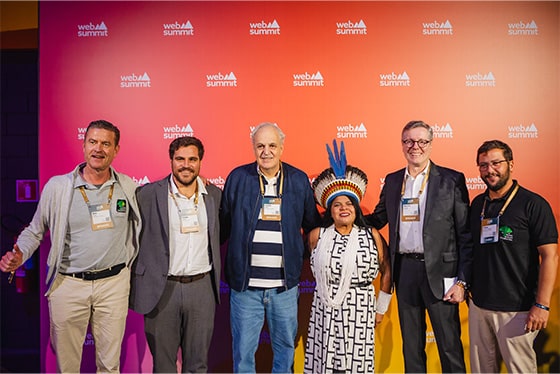
The Foundation also hosted “Restoring the Planet’s Longest Biodiversity Corridor,” a session dedicated entirely to the Araguaia Biodiversity Corridor. With an audience of around 350 participants, the panel showcased the project’s achievements, the challenges ahead, and its long-term vision of reconnecting the Amazon and Cerrado through large-scale ecological restoration.
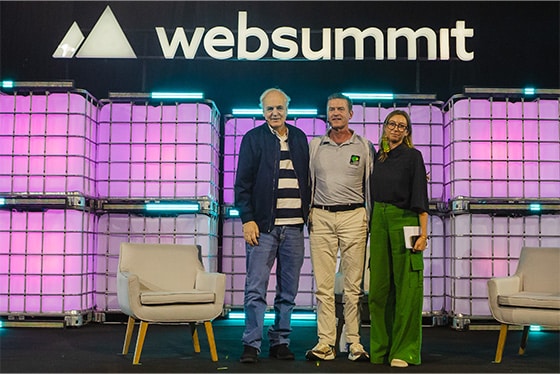

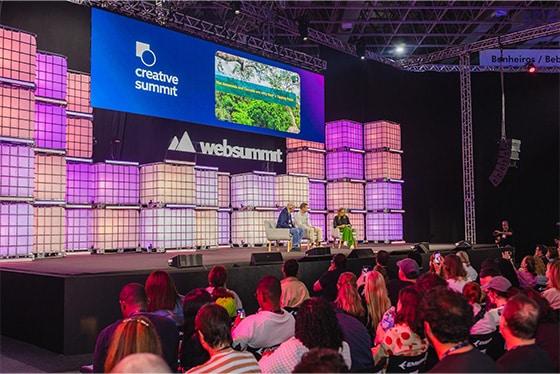

Beyond the official programme, Web Summit created valuable opportunities to connect with companies, investors, and potential strategic partners. Throughout the week, the team held meetings, established new relationships, and received invitations to continue conversations at future international events.
The Foundation’s presence also generated interest in Hike4Nature, an initiative that combines physical activity with environmental restoration. These conversations opened the door to new collaborations that will continue in the months ahead, including during Web Summit Lisbon this November.
By bringing ecological restoration into one of the world’s leading innovation forums, the Black Jaguar Foundation reinforced the essential role of nature in addressing climate change, biodiversity loss, and sustainable development—while creating new opportunities to grow the Araguaia Biodiversity Corridor through partnerships that extend far beyond the restoration landscape.