

DONATE
All Posts By

Ana Carolina

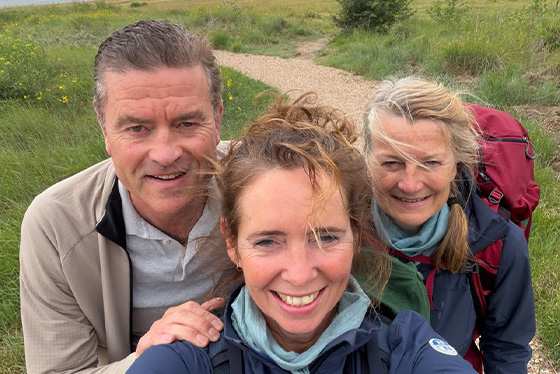
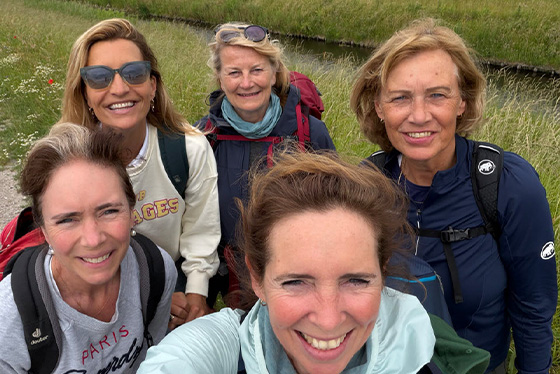
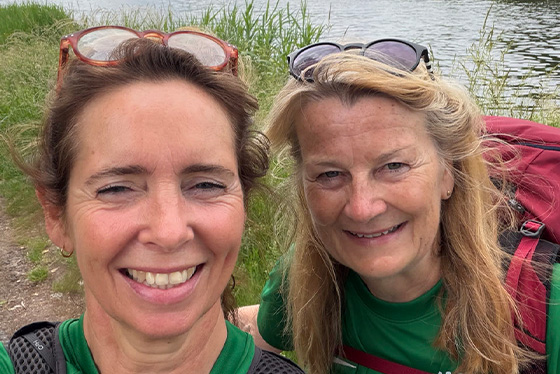
Hike4Nature: join this movement, one step at a time, and raise funds to the Araguaia Biodiversity Corridor!

By Invisible on news page

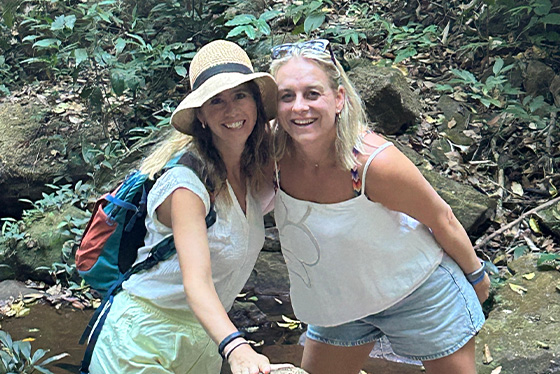
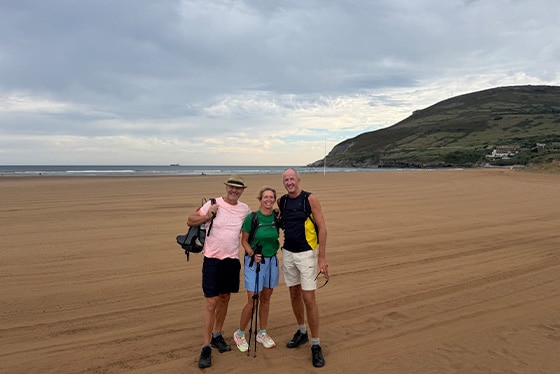
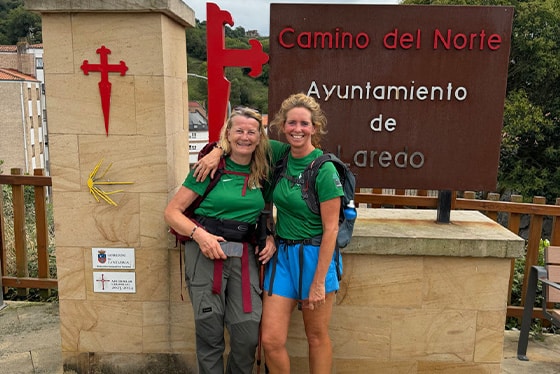
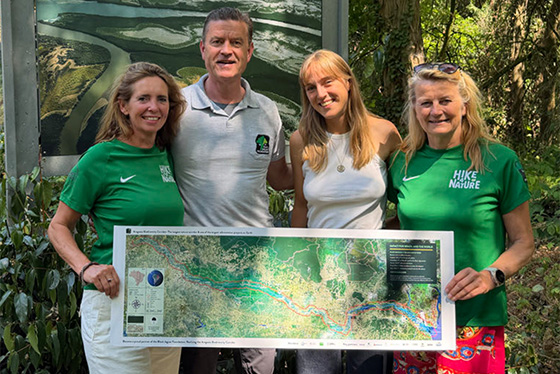
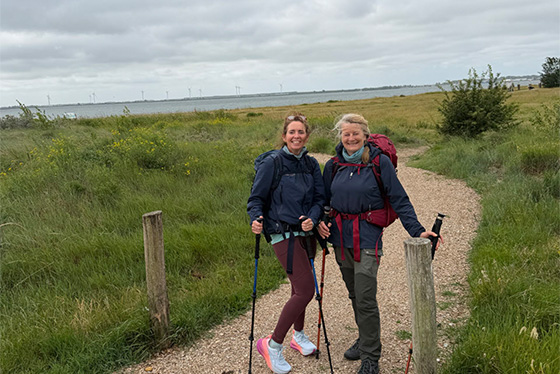
What if a massive hike could help restore nature? Hike4Nature is a joint initiative with the Black Jaguar Foundation where your steps can help generate real impact.

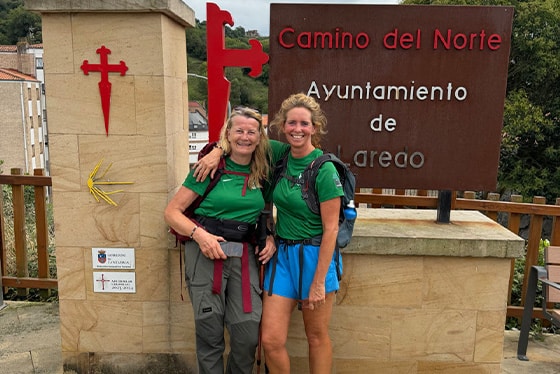
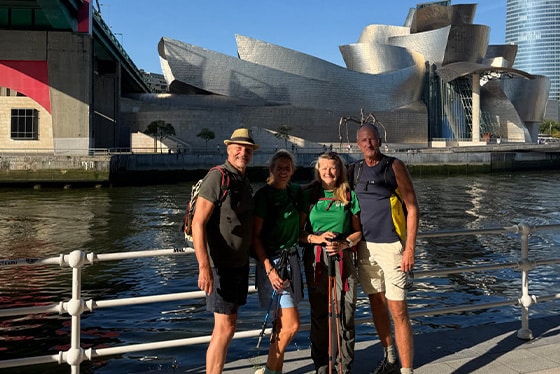
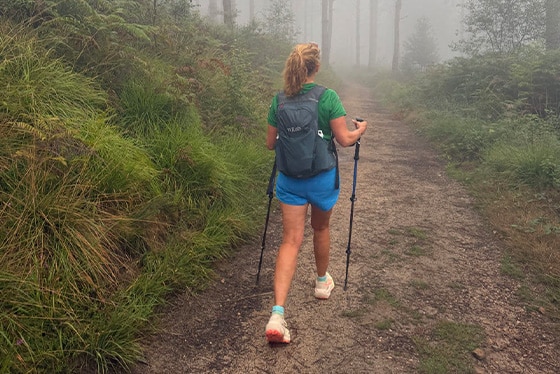
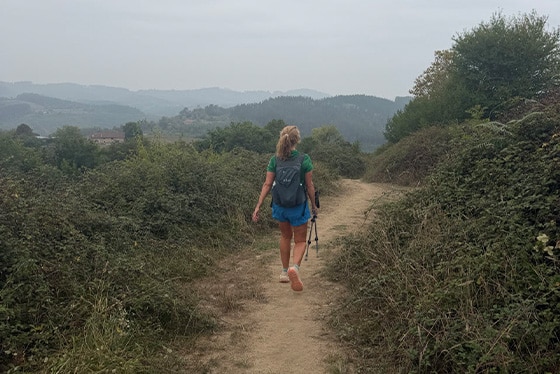
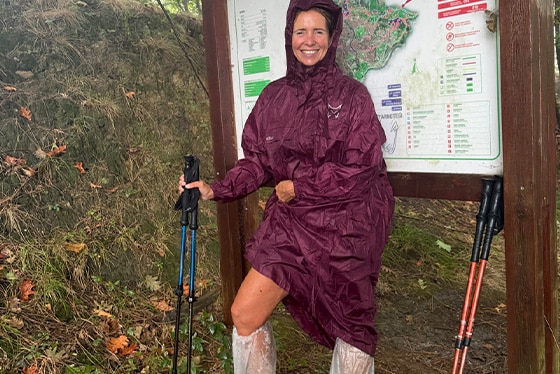
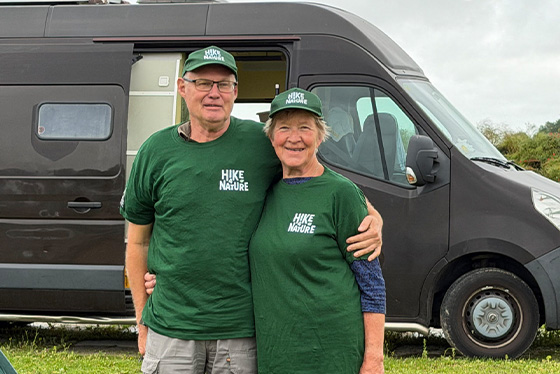
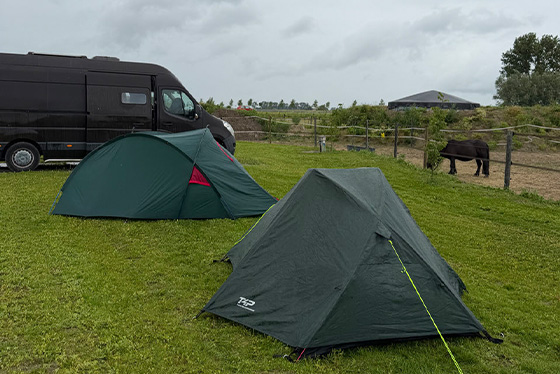
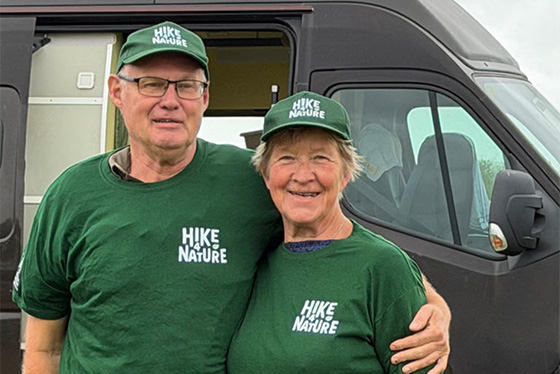
Starting May 31, team Hike4Nature will start the impressive hike from Amsterdam to Lisbon: 2,600km long… to raise awareness and funds for the Black Jaguar Foundation. At the same time, employees from a wide range of companies will collectively walk 2,600 km – the same length as the Araguaia Biodiversity Corridor. Will you join us?

Become a sponsor, hiker, ambassador, or partner: www.hike4nature.nl

HIKE4NATURE

Hike4Nature is more than a hike, it is a global movement connecting people through one shared purpose: restoring forests in the Amazon and Cerrado in Brazil.

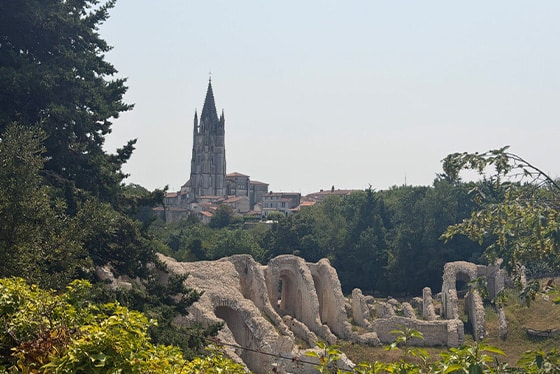
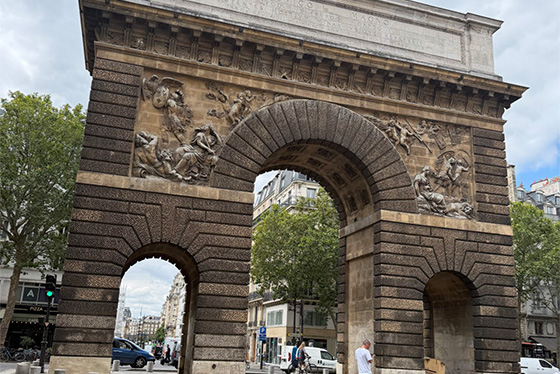
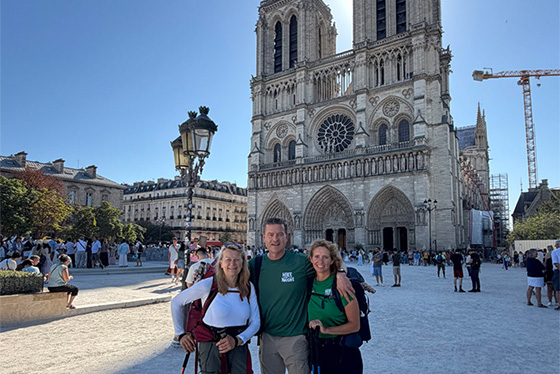
From May 31 to October 31, participants from different countries will collectively cover 2,600 km between Amsterdam and Lisbon, crossing the Netherlands, Belgium, France, Spain, and Portugal. This symbolic distance represents the Araguaia Biodiversity Corridor, one of the largest restoration projects in the world.

You do not need to complete the full route or even be in Europe to participate. Join for a few days, choose selected sections, or create your own walk wherever you are.

Your registration already creates impact, as the participation fee serves as an initial donation to the project. From there, you can invite friends, family, and partners to raise even more support.

That is how you become a Hike4Nature ambassador: someone who not only joins the challenge, but helps inspire others to act.

Companies, teams, and groups of friends can also participate together, combining efforts to generate even greater impact.

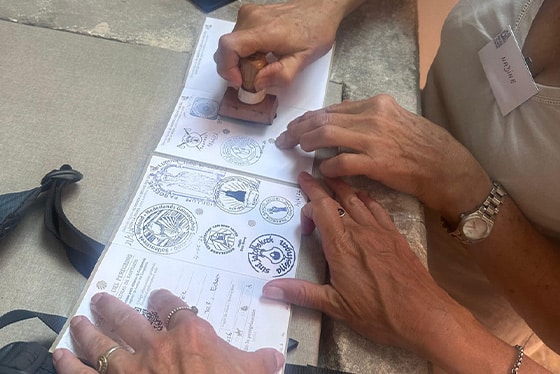
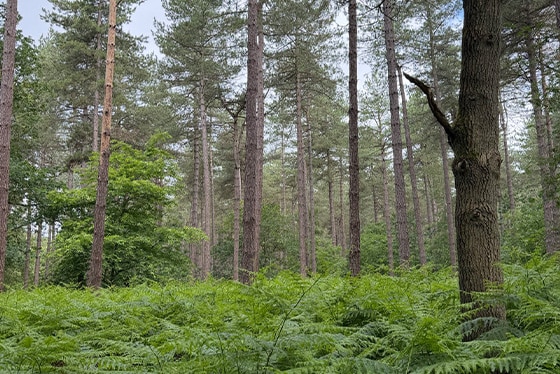
Throughout the journey, participants will cross trails, mountains, villages, and forests in an experience that goes far beyond hiking. It is a chance to connect with nature, with others, and with a shared mission.

Now it is your turn. Choose how to participate, rally your network, and be part of this journey.

Because together, we can go further, and restore much more.

Earth Day: how the Black Jaguar Foundation, together with farmers and local communities, is making a difference.

By Invisible on news page

On April 22, we celebrate Earth Day, a reminder that the future depends on the actions we take today.

At BJF, this commitment is built hand in hand with rural producers and local communities, who are essential partners in creating the Araguaia Biodiversity Corridor.

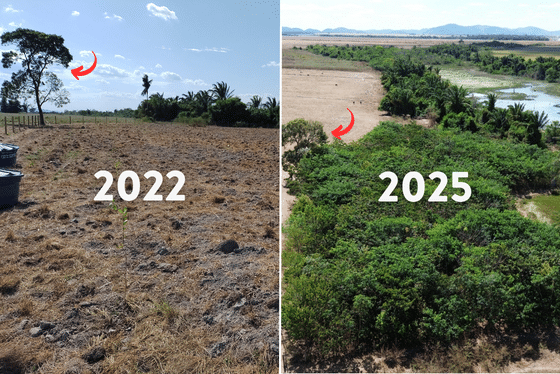
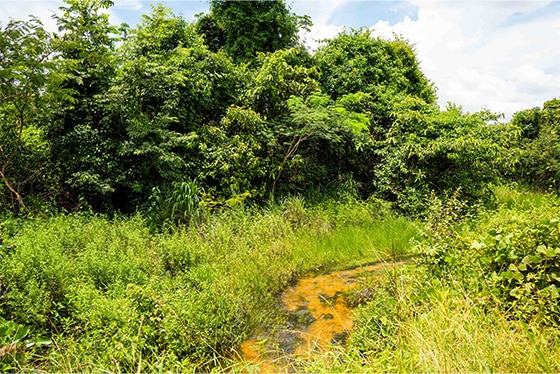
Restoration begins on rural properties, where degraded areas are recovered and native vegetation fragments reconnected. Over time, these restored areas form a continuous ecological corridor along the Araguaia River, linking the Amazon and the Cerrado in Brazil. 

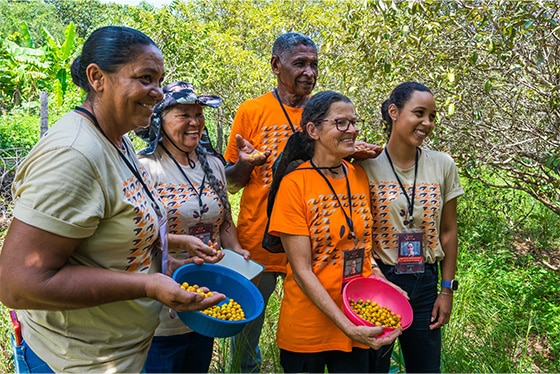
Local communities also play a fundamental role. Their deep knowledge of the territory supports seed collection and commercialization, strengthening sustainable local economies while contributing directly to restoration. 

This model allows restoration to happen at scale while respecting the land and empowering those who live there to become active part of the solution.

More than restoring land, this work helps biodiversity return, protects water resources, and creates healthier ecosystems.

This Earth Day, we celebrate restoration as a collective effort — the result of many people working together to generate real impact for the planet. 

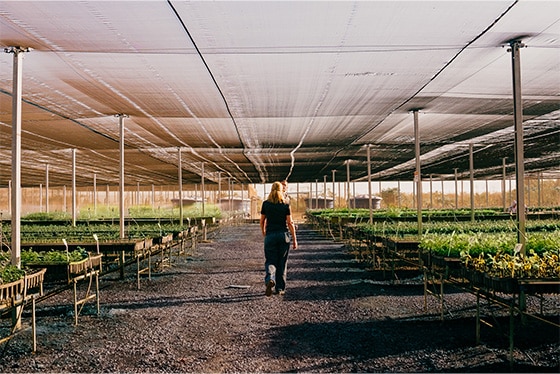
The BJF nursery expands and increases seedling production capacity.

By Invisible on news page

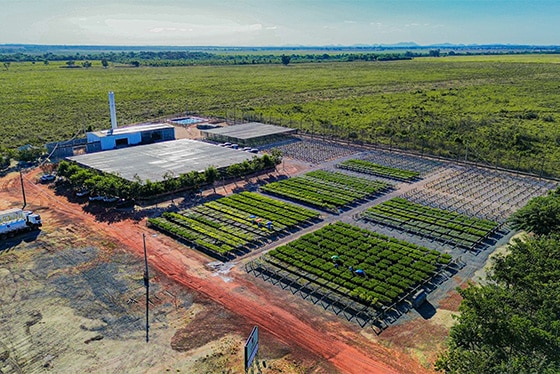
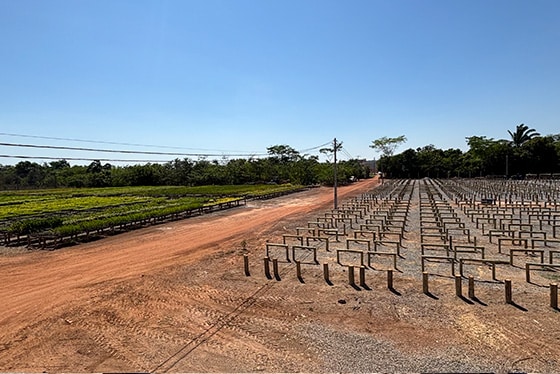
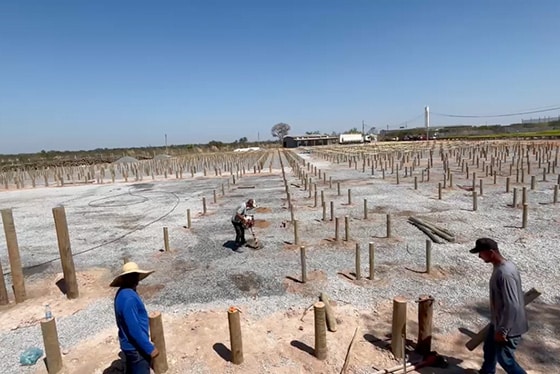
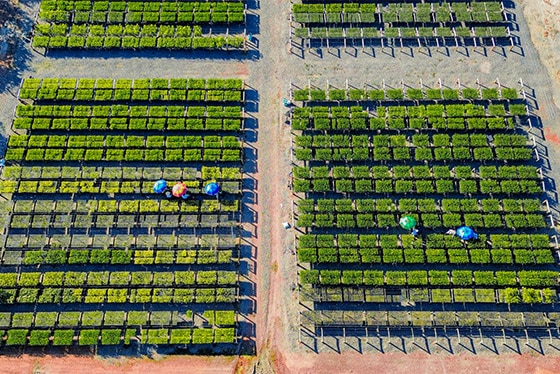
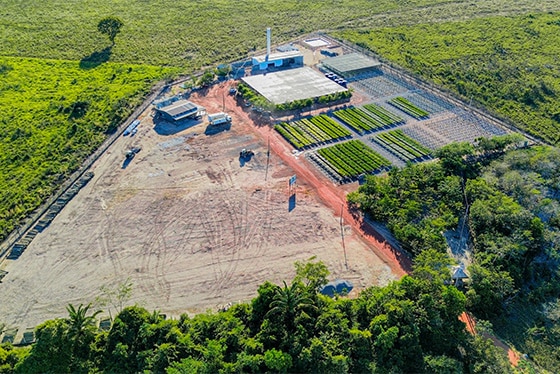
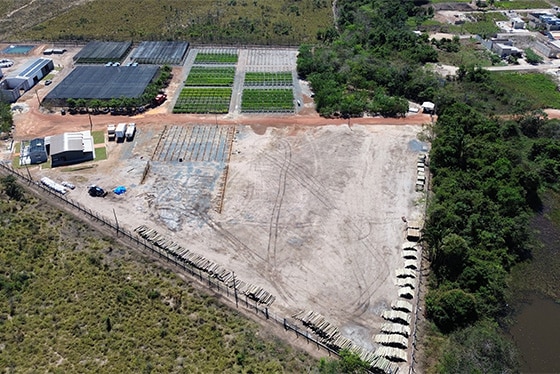
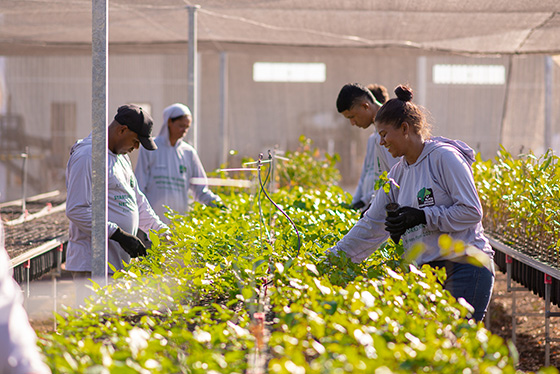
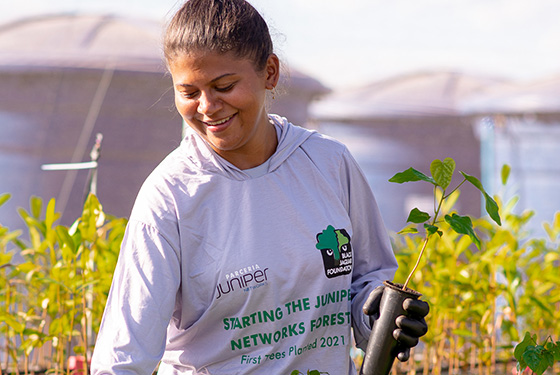
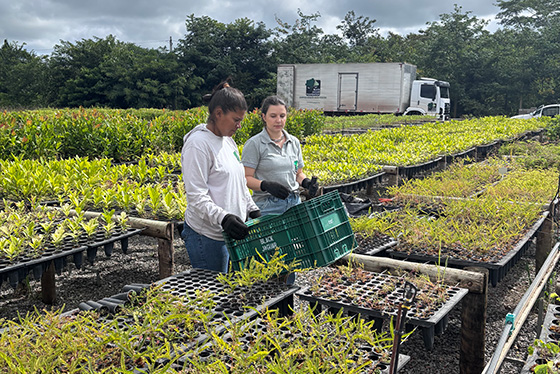
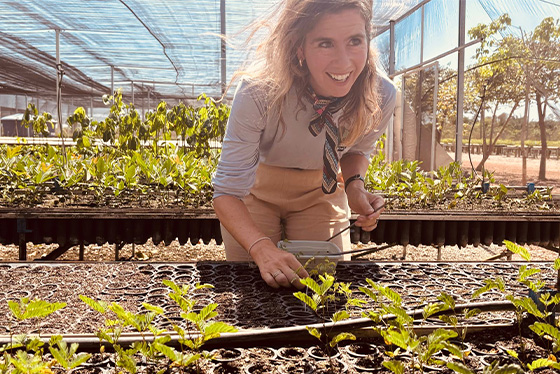
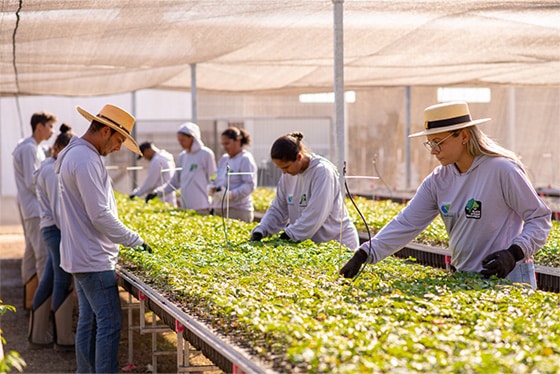
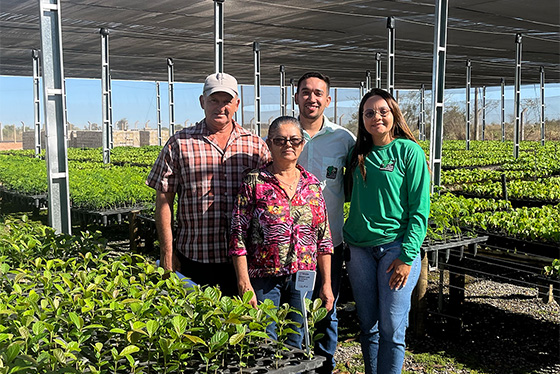
Scaling restoration requires scaling seedling production. That is why the Black Jaguar Foundation nursery in Santana do Araguaia is undergoing a new phase of expansion.

Structural and operational improvements have already increased production capacity from 500,000 to 650,000 seedlings per season.

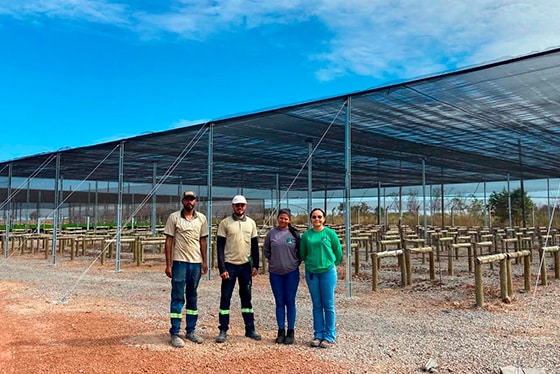
Recent upgrades include raised beds for better seedling development and management, irrigation improvements for greater control and stability, windbreak installations, a newly drilled well, and electrical system enhancements. A new transition area between shade and full sun has also reduced mortality risks and improved seedling quality.

Additional improvements are planned throughout the year to support continued growth. Reaching 1.2 million seedlings per season will be a major milestone — allowing more hectares to be restored and accelerating the development of the Araguaia Biodiversity Corridor.

Biodiversity in focus: an expedition in search of new species for flooded areas

By Invisible on news page

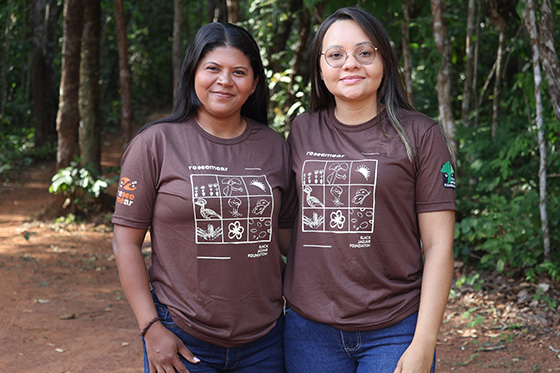
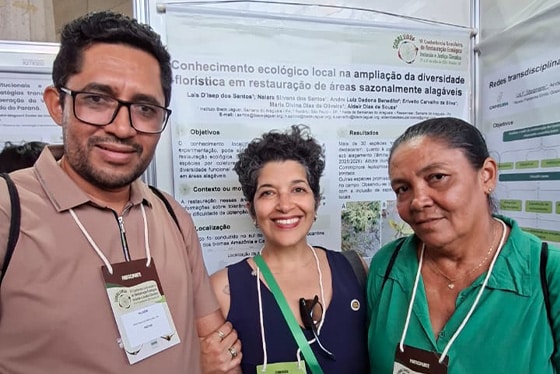
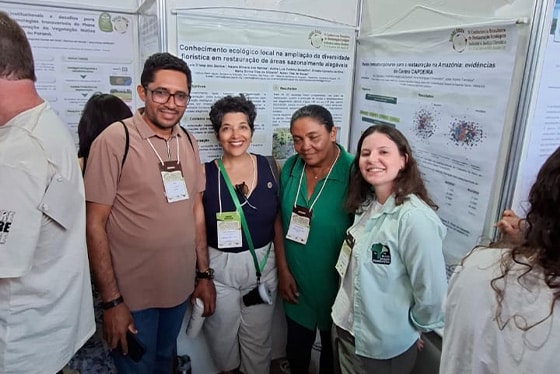
During expeditions across southern Pará and western Tocantins, we worked side by side with Ressemear collectors to identify species with strong potential for restoration in seasonally flooded areas.

Drawing on local ecological knowledge built through hands-on experience observation, and experimentation, collectors suggested species adapted to wet environments – expanding the possibilities for restoration in these landscapes.

Branches were collected for botanical identification, and seeds are now undergoing germination tests in the nursery. We are closely monitoring the development of these species to assess their performance both in seedling production and in the field.

So far, more than 30 species have been identified. Some have already stood out for their ability to thrive under prolonged flooding conditions, helping increase biodiversity in future plantings.

This process highlights the essential role of local communities in restoration and shows how combining technical expertise with local knowledge creates more effective, diverse, and resilient solutions.

Another successful planting season: 294.69 hectares restored across 13 farms in the Araguaia region

By Invisible on news page

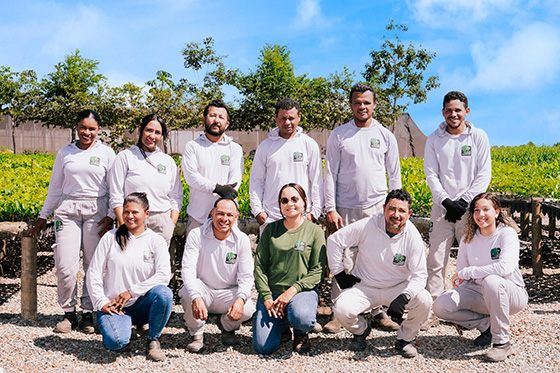
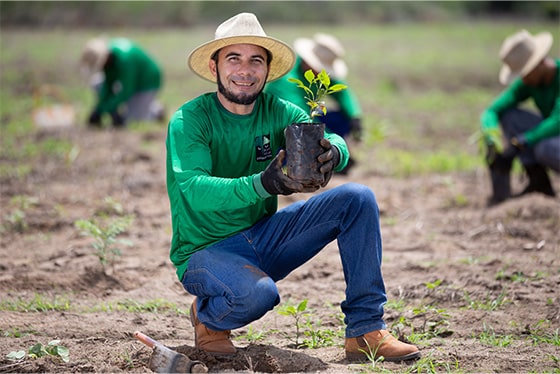
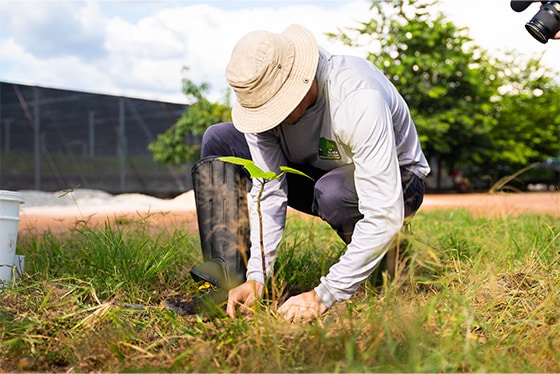
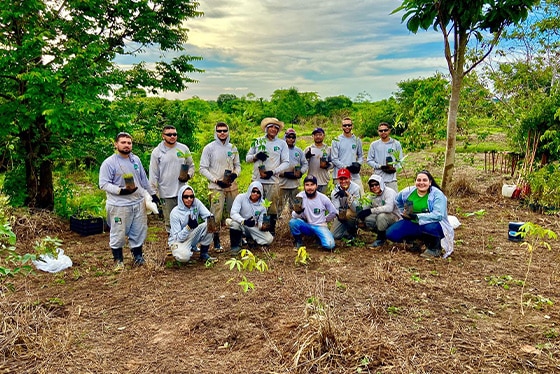
With another rainy season coming to an end, it’s time to celebrate the results of the 2025/2026 planting season and start preparing for the next one. Over the past six months, 294.69 hectares have been restored and 590,000 trees have been planted within the Araguaia Biodiversity Corridor. This season for the first time ever, we achieved our goal even before the rainy season ended! This achievement is the result of a collective effort that brings together planning, seedling production, seed collection, and the dedication of our field team, rural producers, and local communities. Other than that, the great result and learnings of this past planting season lay the foundation for exceptional growth next year and beyond.

Over the next three years, these areas will receive ongoing maintenance and monitoring to ensure each species can establish, thrive, and play its role in restoring the Amazon and Cerrado landscapes.

Making this season possible required a major collective effort: 290,000 seedlings were produced in our nursery, while 3.14 tons of seeds were sourced through the BJF Araguaia Seed Network.

With this new progress, the project now totals 921.5 hectares restored and 1,860,000 trees planted since the initiative began, a clear sign of the steady expansion of the Araguaia Biodiversity Corridor.

Each restored hectare represents tangible progress toward our mission and a stronger future for biodiversity in the Araguaia region.

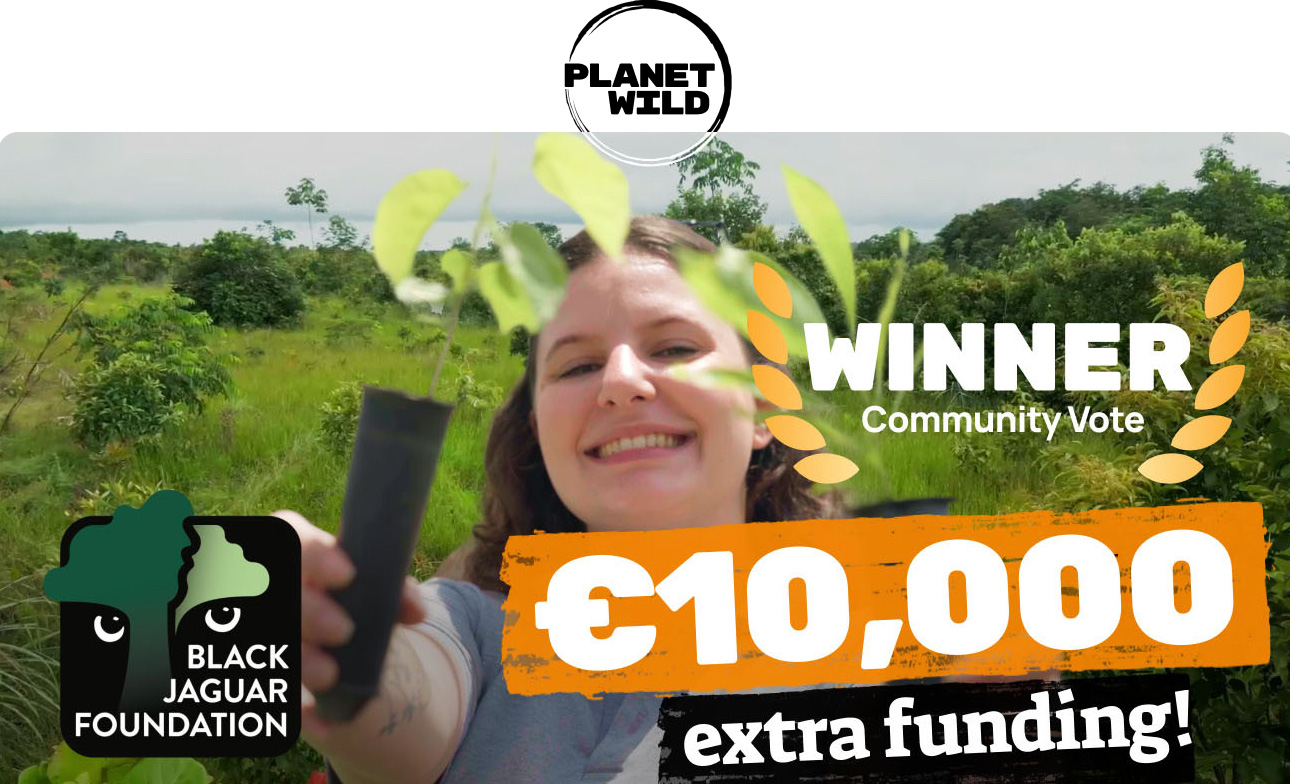
Black Jaguar Foundation takes the spotlight in Planet Wild’s global series

By News Home

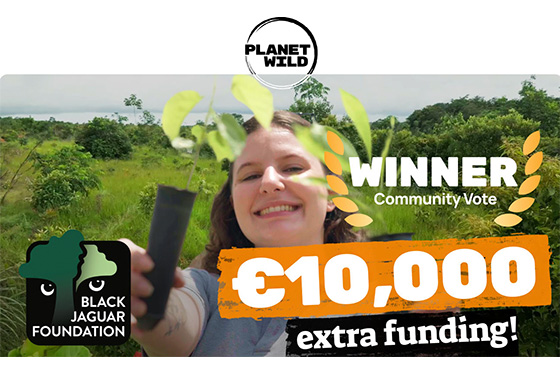
2026 is starting with exciting news! The Black Jaguar Foundation was selected by Planet Wild as one of the twelve environmental projects recognised this year for developing inspiring solutions to give back to nature. Through powerful documentaries, the organization highlights how the world’s most impactful environmental initiatives create real change on the ground.

The video featuring our work has already reached over 500,000 views in its first week! Bringing global attention to the importance of large-scale restoration in Brazil through win-win partnerships with farmers and local communities.

This is a powerful recognition of the work our field teams carry out every day, restoring nature and mobilizing communities to realise the Araguaia Biodiversity Corridor.

Soy plays a major role in ensuring food security for everyone across the globe. However, its rapid expansion has also placed enormous pressure on the Cerrado, one of the most biodiverse savannas on Earth. That’s why the Black Jaguar Foundation works hand in hand with farmers, partners, and local communities to promote a win-win approach in restoring degraded land with native trees. We are proving that agricultural production and large-scale ecological restoration can work together as one team.

While the documentary refers to a corridor of 1 million hectares, this figure represents the hectares we will restore. By connecting our restored areas with existing native vegetation on farms, indigeneous territory and conservation units, the Araguaia Biodiversity Corridor will extend far beyond this number, creating an even much larger continuous landscape for biodiversity to thrive.

And Planet Wild’s support goes beyond the documentary. Planet Wild is also co-funding the ecological restoration of 30 hectares during the 2025/2026 planting season, financing native seed collection, seedling production, planting, and three full years of monitoring.

Ready to join PlanetWild and become our new corporate sponsor-partner or donor? Just send us an e-mail today at info@black-jaguar.org or donate any amount here.

280 hectares under restoration: full progress in the 2025/2026 planting season

By News Home

For the 2025/2026 planting season, Black Jaguar Foundation is set to restore approximately 280 hectares, applying a combination of ecological restoration strategies. These include direct seedling planting, direct seeding using the muvuca (seed mix) method, and assisted natural regeneration, tailored to the specific conditions of each area.
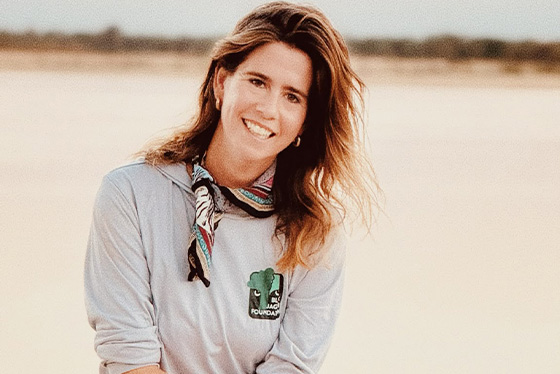
And the results are already taking shape. So far, 70% of the planned implementation has already been completed, along with essential site preparation activities such as fencing, mowing, selective herbicide application, opening planting lines, and soil fertilization—key steps to ensure successful restoration.
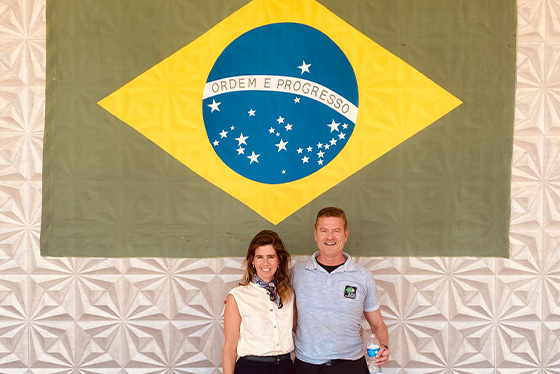
Throughout the remainder of the planting season, work continues on the remaining 30% of the areas, with completion expected by mid-March. Activities are being carried out across 11 partner farms involved in the project, reinforcing the collaborative efforts with farmers to ensure a high standard of quality in ecological restoration.

UBS Optimus Foundation Program Director of Climate and Environment visits our field operations

By News Home

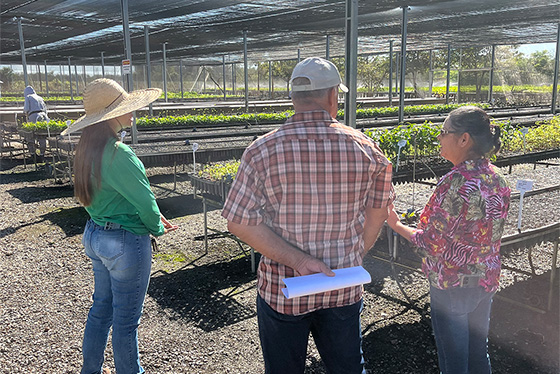
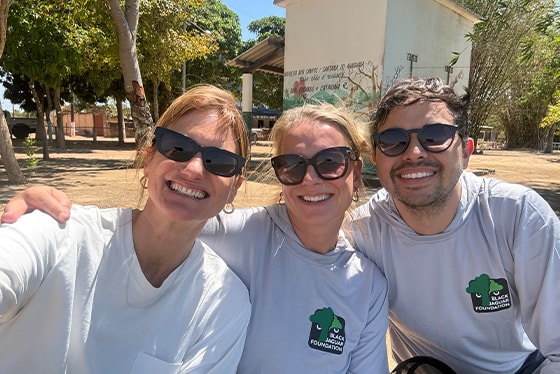
We were delighted to welcome a special visit from one of our key partners: UBS Optimus Foundation. Patrick Nussbaumer, Program Director Climate and Environment of UBS Optimus Foundation traveled together with two other high profile individuals to Santana do Araguaia to experience firsthand our ecological restoration and community engagement efforts underway in the Araguaia Biodiversity Corridor.

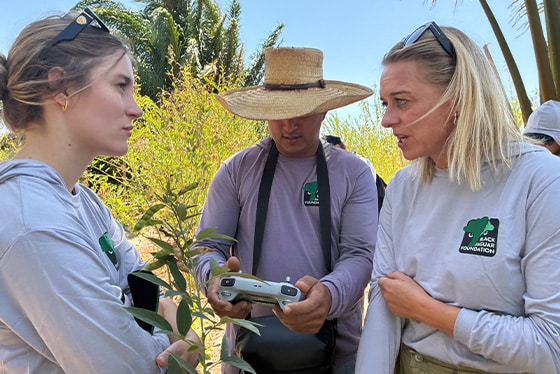
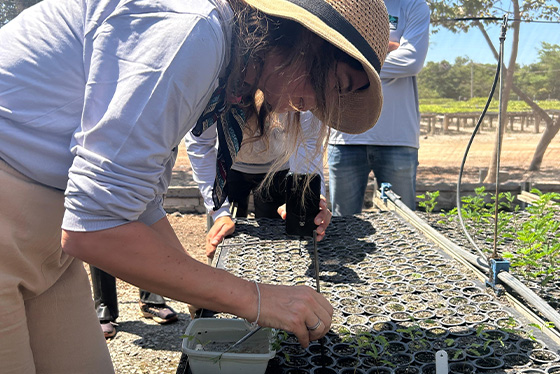
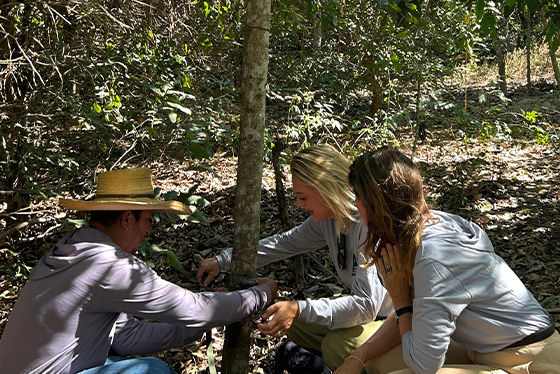
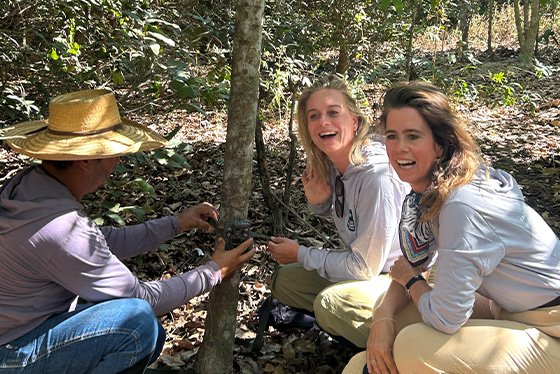
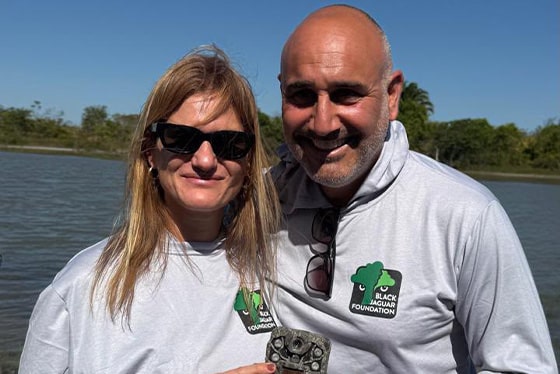
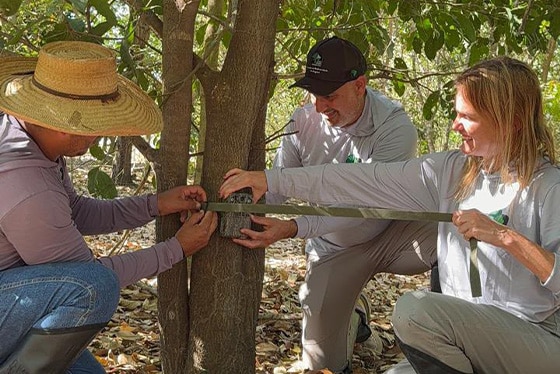
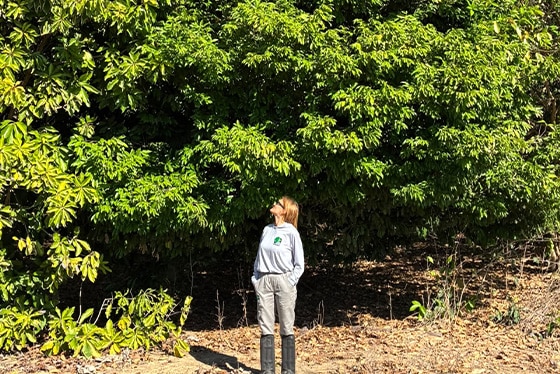
During the visit, Patrick together with Professor Annetje Ottow, previous President of Leiden University and BJF Brazil board member Camila Borba Lefèvre toured our restoration sites and seedling nursery and exchanged experiences with our field team and members of the BJF Araguaia Seed Network (Ressemear). We even had a chance to install wildlife trap cameras in some of our 5-year young restoration sites! It was an inspiring opportunity to witness the positive socio-environmental impact we are creating together in the region.

Highlights from the 2nd BJF Araguaia Seed Network meeting

By News Home

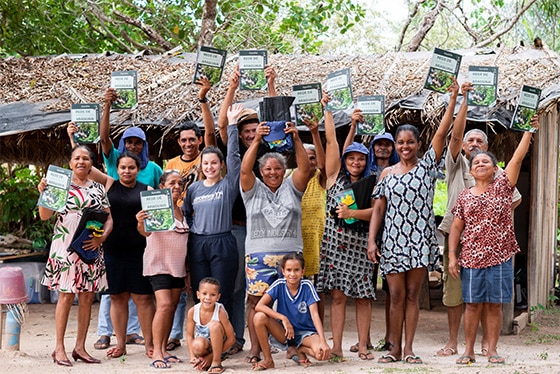
Some experiences are meant to be felt, not just described. The 2nd BJF Araguaia Seed Network Gathering was filled with powerful moments of exchange, learning, and connection among the people who make ecological restoration possible. We captured some of these stories, voices, and emotions in a special video—don’t miss it. 

Watch the video and experience how the BJF Araguaia Seed Network came to life. 🌱 

Organized by the Black Jaguar Foundation, the gathering brought together partners, seed collectors, supporters, and field teams in a carefully crafted program designed to foster dialogue and shared learning. Every conversation, every gesture, and every exchange reinforced a simple truth: restoration is a collective journey, built when people move forward together. 

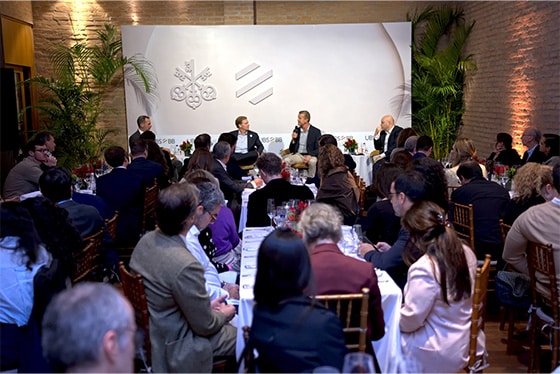
BJF at LAIC2026: philanthropy and restoration in the spotlight at UBS flagship event for Latin America

By News Home

The Black Jaguar Foundation took part in the Latin America Investment
Conference (LAIC) 2026
, UBS’s flagship event for the Latin America region, organised last month in São Paulo. The conference brought together business leaders, institutional investors, and decision-makers from Brazil and across Latin America to discuss economic outlooks, investment trends, and strategic priorities shaping the region’s future.
 

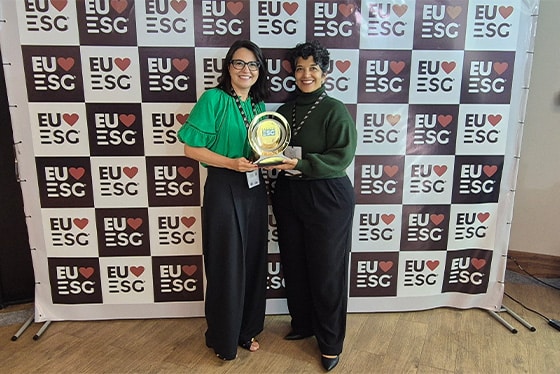
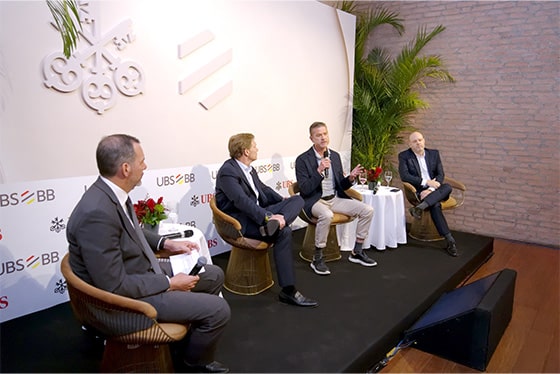
As part of the official program, we were invited to participate in the event hosted by the UBS Optimus Foundation, focused on philanthropy, impact, and ESG. This participation further strengthened the institutional partnership between the Black Jaguar Foundation and the UBS Optimus Foundation, which supports high-impact socio-environmental initiatives across the region. 

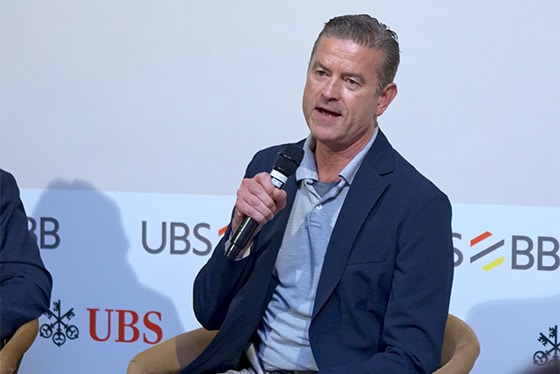
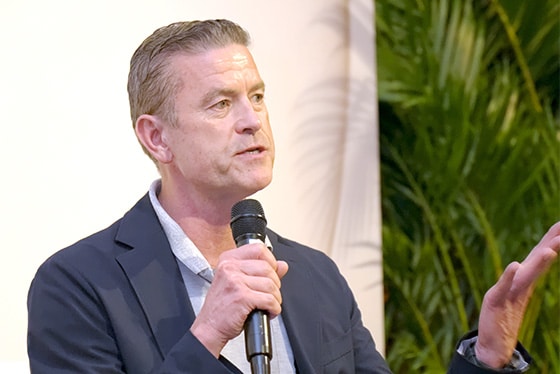
Our founder, Ben Valks, represented BJF in a moderated Q&A alongside other organizations supported by the UBS Optimus Foundation. The conversation centered on the role of strategic philanthropy in enabling systemic, long-term transformation—particularly in complex environmental projects. 

Key topics discussed during the panel included: 

  • BJF’s operational model and the on-the-ground implementation of the Araguaia Biodiversity Corridor 
  • The role of the UBS Optimus Foundation in strengthening institutions and enabling long-term impact 
  • The importance of strategic philanthropy in scaling complex environmental solutions 
  • Future perspectives and next steps for supported initiatives 

One especially relevant point addressed governance and relationships with public authorities—a sensitive topic for international investors. BJF highlighted its independent operational model, grounded in institutional partnerships, legal certainty, transparency, and risk mitigation, reinforcing the project’s credibility in long-term investment contexts. 

The panel also provided an opportunity to present the scale, complexity, and ambition of the Araguaia Biodiversity Corridor. Philanthropic funding was emphasized as a critical enabler for initiatives of this nature, particularly during their foundational phases, which require long-term commitment and a high degree of innovation. 

Another central theme was the role of UBS and the UBS Optimus Foundation in fostering a shift in how philanthropy is understood—promoting a move toward strategic, systemic, and impact-driven giving, beyond one-off or reactive approaches. 

The discussion also touched on the challenges faced by large-scale, long-term projects in contexts of political and fiscal volatility, further underscoring philanthropy’s role as a source of financial resilience, stability, and continuity for successful implementation over time. 

BJF’s participation in LAIC 2026 reinforced its position as an organization capable of engaging with major financial institutions, investors, and global philanthropists—while advancing large-scale ecological restoration, measurable impact, and long-term international partnerships.