

DONATE
All Posts By

Ana Carolina

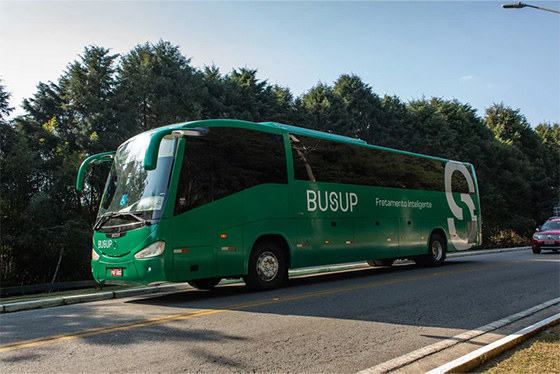
BUSUP joins Black Jaguar Foundation as a new partner

By Invisible on news page

Founded in 2016 in Barcelona, BUSUP helps companies move their teams in a more human, efficient, and sustainable way. Powered by its own technology and supported by a network of more than 170 local operators across five countries, BUSUP designs smarter routes that reduce costs, emissions, and the daily stress of commuting—caring for both people and the planet. 

While BUSUP’s mission is to make mobility cleaner and more sustainable, the company recognizes that cutting emissions alone is not enough. That’s why BUSUP has joined The First 600 Project, supporting the planting of 550 native trees and contributing directly to the construction of the Araguaia Biodiversity Corridor. 

Restoring millions of native trees and reconnecting the Amazon and the Cerrado is a powerful reminder that large-scale regeneration is still possible. Partnerships like this show that sustainability goes beyond words—it’s a conscious decision, a long-term investment, and, above all, action. 🌱 

BJF at LAIC2026: philanthropy and restoration in the spotlight at UBS flagship event for Latin America

By Invisible on news page

The Black Jaguar Foundation took part in the Latin America Investment
Conference (LAIC) 2026
, UBS’s flagship event for the Latin America region, organised last month in São Paulo. The conference brought together business leaders, institutional investors, and decision-makers from Brazil and across Latin America to discuss economic outlooks, investment trends, and strategic priorities shaping the region’s future.
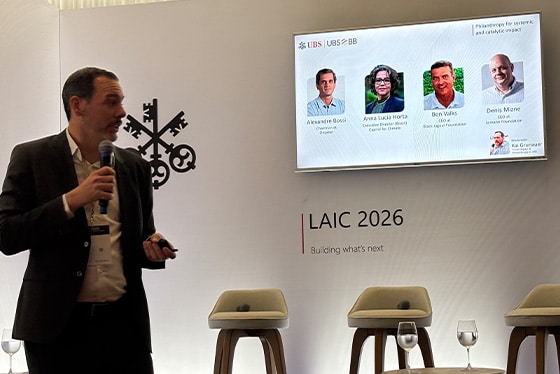
 

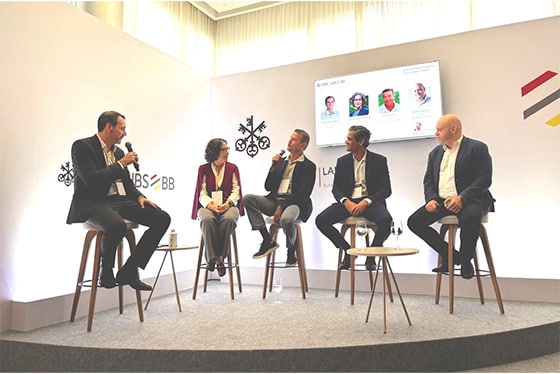
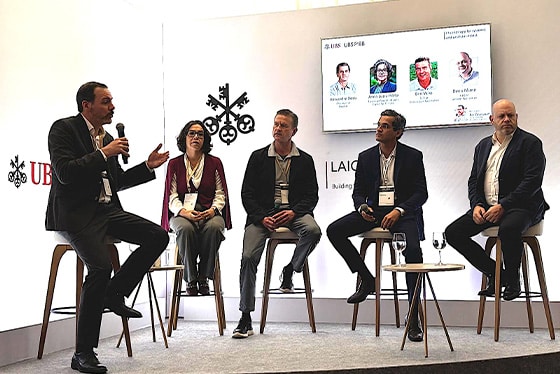
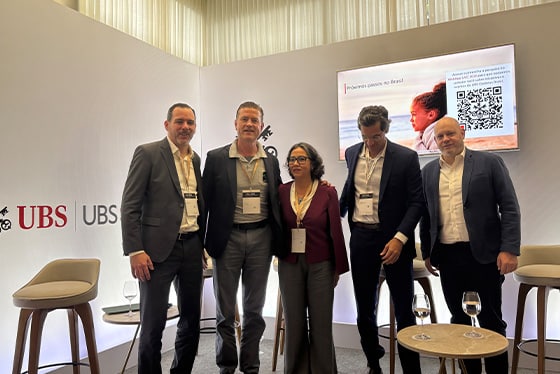
As part of the official program, we were invited to participate in the event hosted by the UBS Optimus Foundation, focused on philanthropy, impact, and ESG. This participation further strengthened the institutional partnership between the Black Jaguar Foundation and the UBS Optimus Foundation, which supports high-impact socio-environmental initiatives across the region. 

Our founder, Ben Valks, represented BJF in a moderated Q&A alongside other organizations supported by the UBS Optimus Foundation. The conversation centered on the role of strategic philanthropy in enabling systemic, long-term transformation—particularly in complex environmental projects. 

Key topics discussed during the panel included: 

  • BJF’s operational model and the on-the-ground implementation of the Araguaia Biodiversity Corridor 
  • The role of the UBS Optimus Foundation in strengthening institutions and enabling long-term impact 
  • The importance of strategic philanthropy in scaling complex environmental solutions 
  • Future perspectives and next steps for supported initiatives 

One especially relevant point addressed governance and relationships with public authorities—a sensitive topic for international investors. BJF highlighted its independent operational model, grounded in institutional partnerships, legal certainty, transparency, and risk mitigation, reinforcing the project’s credibility in long-term investment contexts. 

The panel also provided an opportunity to present the scale, complexity, and ambition of the Araguaia Biodiversity Corridor. Philanthropic funding was emphasized as a critical enabler for initiatives of this nature, particularly during their foundational phases, which require long-term commitment and a high degree of innovation. 

Another central theme was the role of UBS and the UBS Optimus Foundation in fostering a shift in how philanthropy is understood—promoting a move toward strategic, systemic, and impact-driven giving, beyond one-off or reactive approaches. 

The discussion also touched on the challenges faced by large-scale, long-term projects in contexts of political and fiscal volatility, further underscoring philanthropy’s role as a source of financial resilience, stability, and continuity for successful implementation over time. 
BJF’s participation in LAIC 2026 reinforced its position as an organization capable of engaging with major financial institutions, investors, and global philanthropists—while advancing large-scale ecological restoration, measurable impact, and long-term international partnerships. 
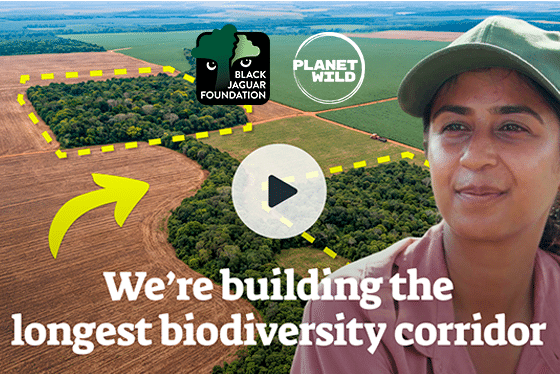
[VIDEO] Highlights from the 2nd BJF Araguaia Seed Network meeting

By Invisible on news page

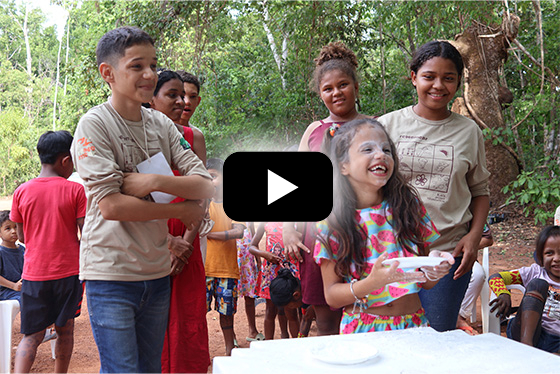
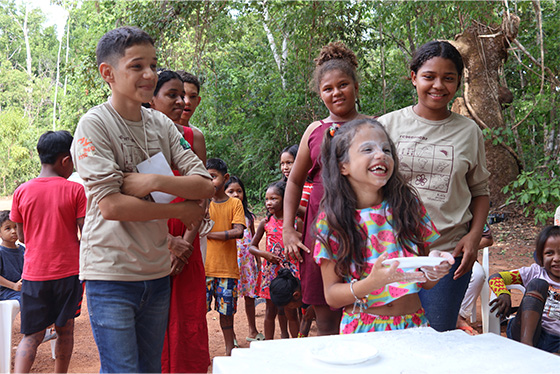
Some experiences are meant to be felt, not just described. The 2nd BJF Araguaia Seed Network Gathering was filled with powerful moments of exchange, learning, and connection among the people who make ecological restoration possible. We captured some of these stories, voices, and emotions in a special video—don’t miss it. 

Watch the video and experience how the BJF Araguaia Seed Network came to life. 🌱 

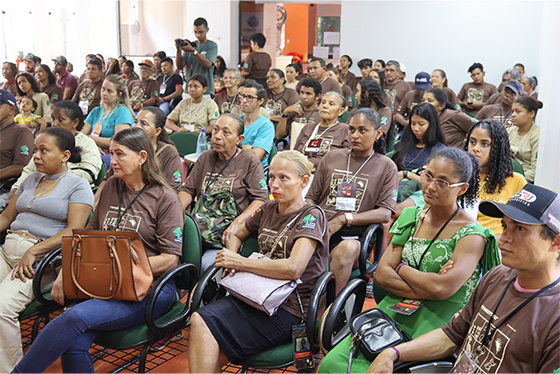
Organized by the Black Jaguar Foundation, the gathering brought together partners, seed collectors, supporters, and field teams in a carefully crafted program designed to foster dialogue and shared learning. Every conversation, every gesture, and every exchange reinforced a simple truth: restoration is a collective journey, built when people move forward together. 

UBS bank Director of Climate and Environment visits our field operations

By Invisible on news page

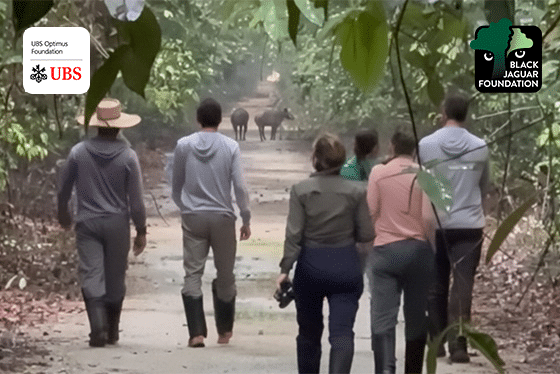
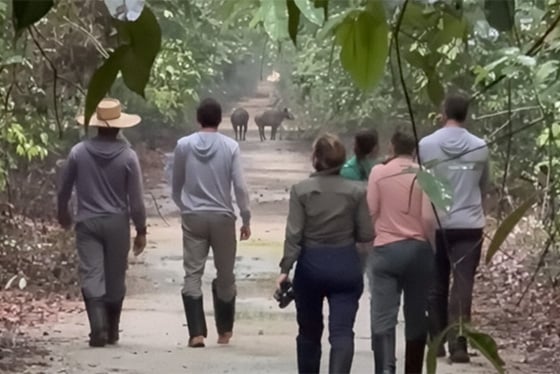
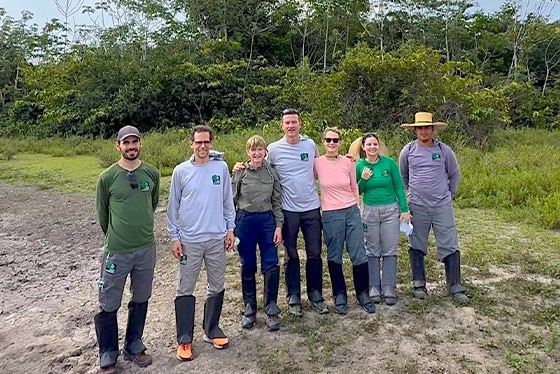
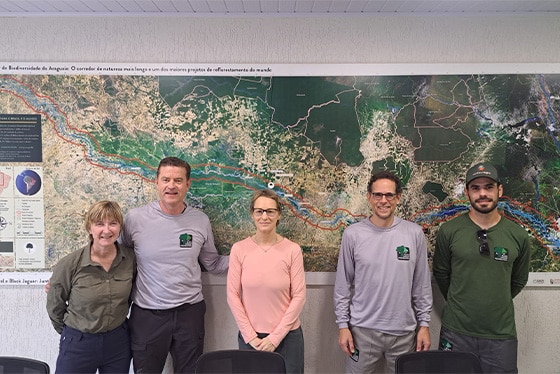
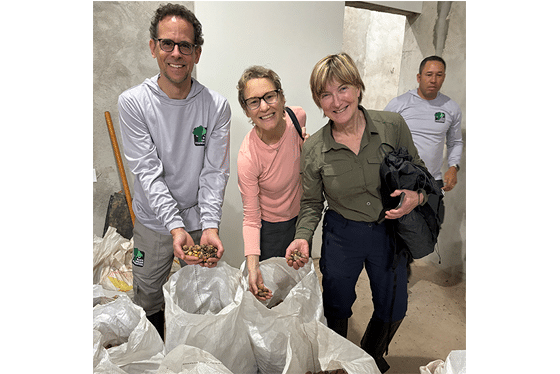
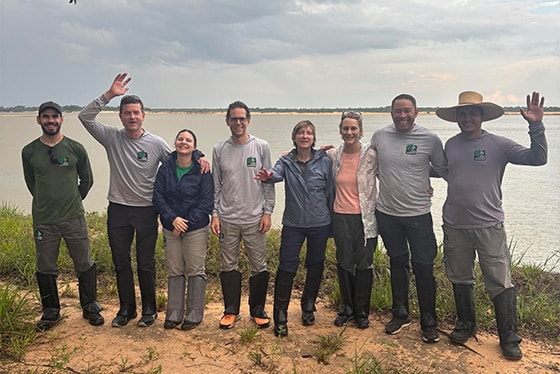
We were delighted to welcome a special visit from one of our key partners: UBS Optimus Foundation. Patrick Nussbaumer, Director Climate and Environment of UBS Optimus Foundation traveled together with two other high profile individuals to Santana do Araguaia to experience firsthand our ecological restoration and community engagement efforts underway in the Araguaia Biodiversity Corridor.

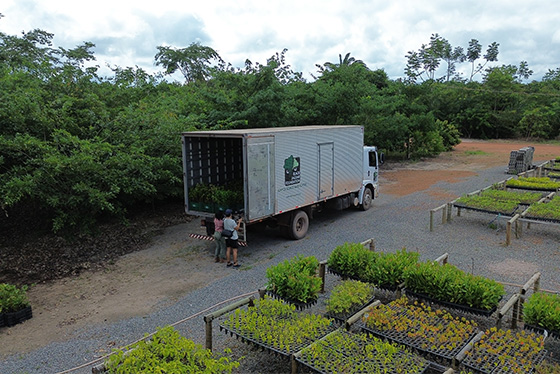
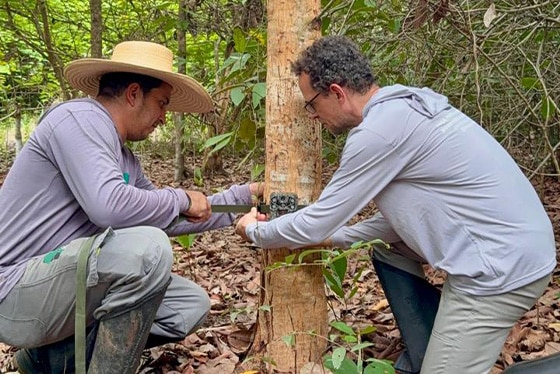
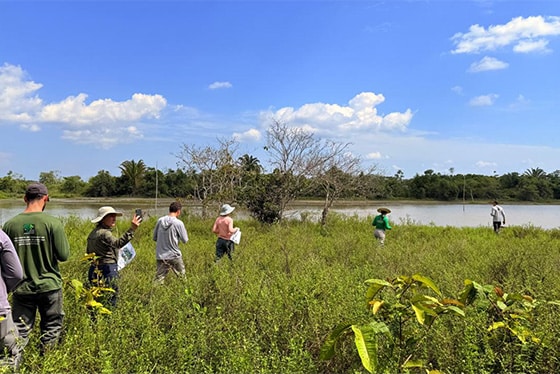
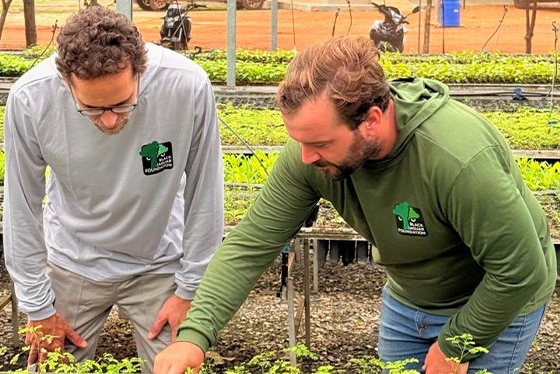
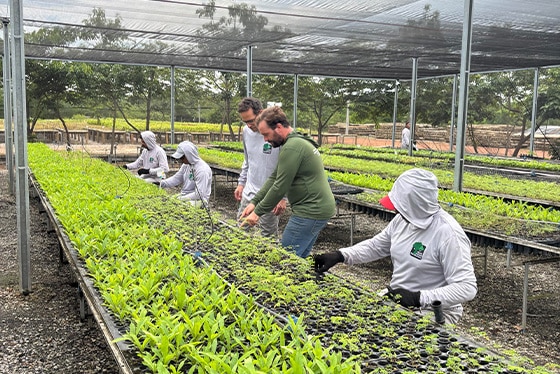
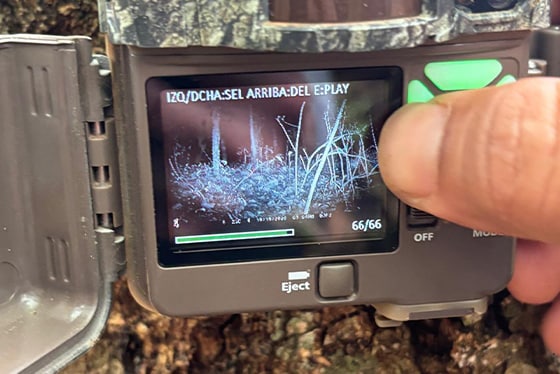
During the visit, Patrick together with Professor Annetje Ottow, previous President of Leiden University and BJF Brazil board member Camila Borba Lefèvre toured our restoration sites and seedling nursery and exchanged experiences with our field team and members of the BJF Araguaia Seed Network (Ressemear). We even had a chance to install wildlife trap cameras in some of our 5-year young restoration sites! It was an inspiring opportunity to witness the positive socio-environmental impact we are creating together in the region.

280 hectares under restoration: full progress in the 2025/2026 planting season

By Invisible on news page

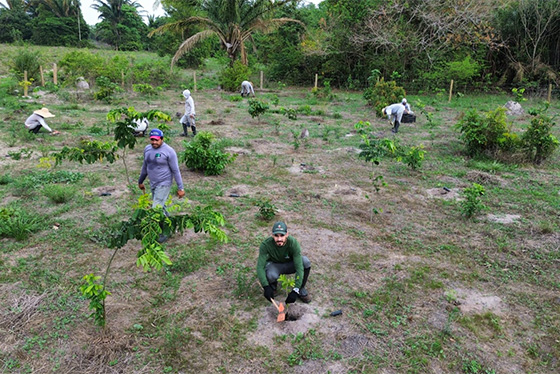
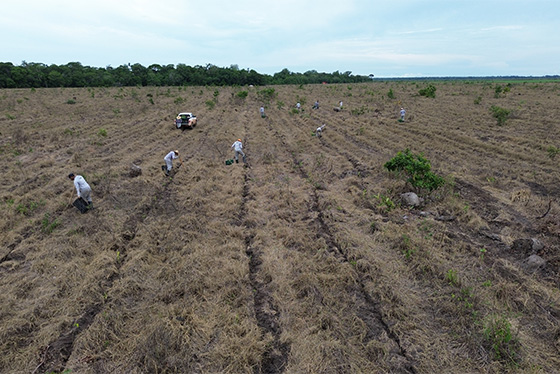
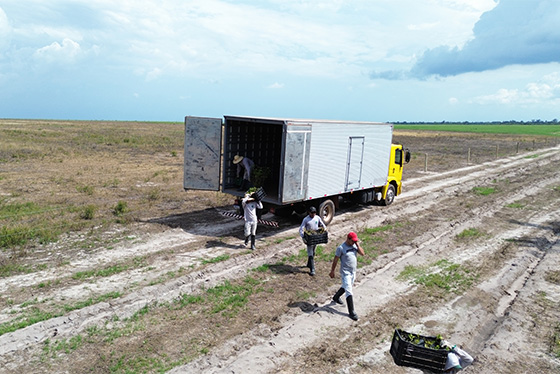
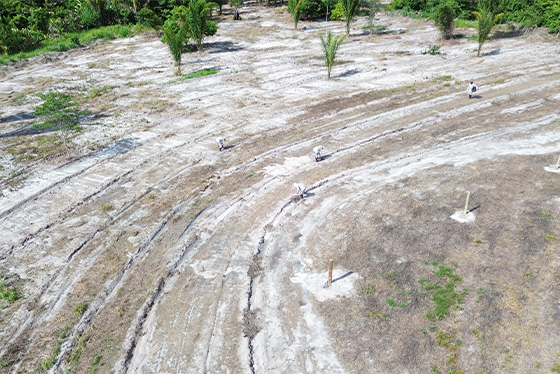
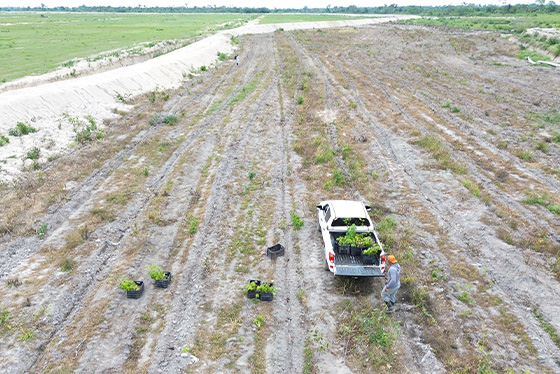
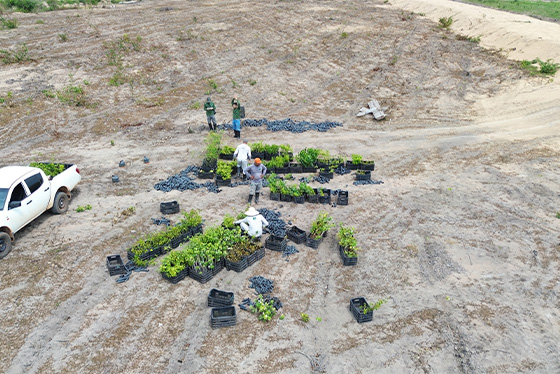
For the 2025/2026 planting season, the Black Jaguar Foundation is set to restore approximately 280 hectaresapplying a combination of ecological restoration strategies. 

These include direct seedling plantingdirect seeding using the muvuca (seed mix) method, and assisted natural regeneration, tailored to the specific conditions of each area. 

And the results are already taking shape. So far, 70% of the planned implementation has already been completed,  along with essential site preparation activities such as fencing, mowing, selective herbicide application, opening planting lines, and soil fertilization—key steps to ensure successful restoration.

In addition to supporting conservation and management efforts, the images captured have become a powerful tool for environmental education. They allow us to track biodiversity over time, observe how animals use their habitat, and even understand how wildlife contributes to the restoration process itself — for example, through seed dispersal and other essential ecological dynamics. 

More cameras are expected to be installed over the coming months and will be periodically relocated to new areas as the forests grow, revealing more about the life returning to these ecosystems. 

2025 Highlights

By News Home

Before moving on to an exciting new year, we’d like to take a moment to look back and celebrate everything we have been growing together in 2025.

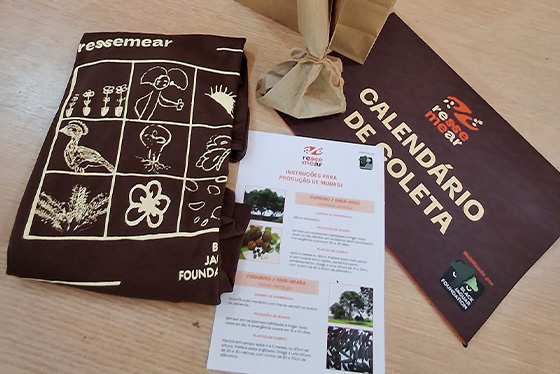
The past year was marked by extensive work in the field, growing and learning, realizing ecological restoration of the Araguaia Biodiversity Corridor. We continue to strengthen rural partnerships, expand our seedling production capacity, and connect environmental restoration with livelihood creation through Ressemear, the BJF Araguaia Seed Network.

None of this would be possible without your ongoing support and without the extension in 2025 of our key strategic sponsor partners, that is why we’d like to share the highlights of the past year with you!

We are confident that with your continued support, 2026 will bring even more positive impacts, learnings, and restored ecosystems with flourishing native trees.

Thank you for being part of this journey. The future is green, and we continue building it together.

Holiday Season: A moment to celebrate, give thanks, and give back.

By News Home

Holiday Season: A moment to celebrate, give thanks, and give back. 

Thanks to your support, 2025 became a year of remarkable growth for the Black Jaguar Foundation and an even greater leap forward for the Araguaia Biodiversity Corridor. 

Every tree we plant tells a powerful story. It restores vital ecosystems, strengthens local communities, and nurtures a healthier future for all life along the Araguaia. Seed by seed, hectare by hectare, we are bringing back the world’s longest nature corridor: we are regenerating life where it is needed most and none of this would be possible without you. 

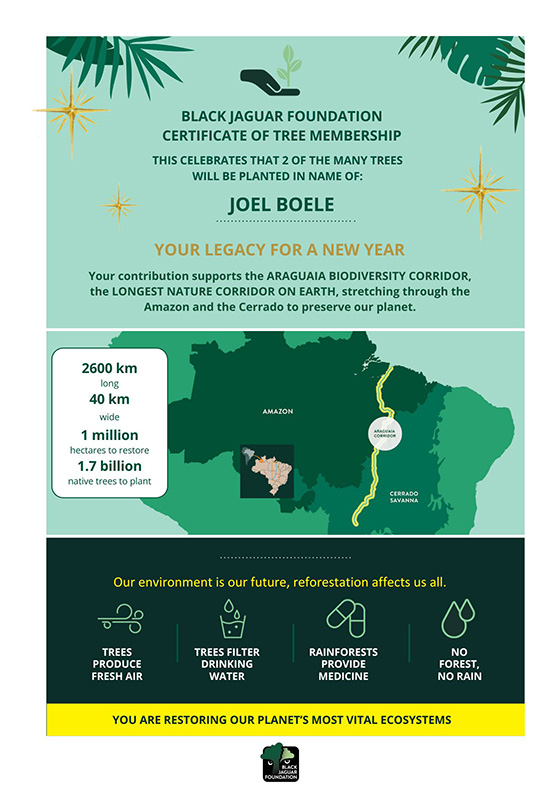
This Holiday Season, you can make your impact go even further. You can donate a tree to the Araguaia Biodiversity Corridor in honor of someone special and gift them a personalized certificate. It is a meaningful gesture that grows with time. 

How to receive your special certificate: 

Send an email to trees@black-jaguar.org with your donation by December 17, 2025, and you will receive your personalized certificate shortly after. 

We wish you a wonderful end of the year and a 2026 full of life and purpose. Let’s keep moving forward together through another year of hope and action! 

Black Jaguar Foundation installs cameras in restoration areas to monitor the return of biodiversity

By News Home

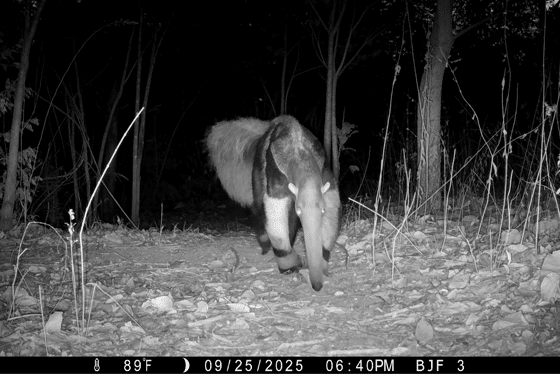
Ecological restoration at the Black Jaguar Foundation has just gained new eyes. Over the past few months, several camera traps have been installed in the oldest restoration areas with the goal of monitoring the return of biodiversity one of the most exciting indicators that nature is gradually regaining its balance. 

These devices, known as camera traps, automatically capture images and videos of animals passing day and night. And the first results are truly encouraging: a variety of species have already been spotted moving through BJF’s young forests. 

More than beautiful images, these records play an essential role in understanding how wildlife is responding to restoration efforts. The return of different species is a clear sign that the ecosystem is rebalancing — and that restored areas are beginning to offer shelter, food, and the ideal conditions for wildlife to thrive. 

Camera traps also allow for long-term, non-invasive monitoring, collecting data on the behavior, habits, and presence of species that would be difficult to observe otherwise — including elusive or nocturnal animals such as ocelots, tayras, and agoutis. 

In addition to supporting conservation and management efforts, the images captured have become a powerful tool for environmental education. They allow us to track biodiversity over time, observe how animals use their habitat, and even understand how wildlife contributes to the restoration process itself — for example, through seed dispersal and other essential ecological dynamics. 

More cameras are expected to be installed over the coming months and will be periodically relocated to new areas as the forests grow, revealing more about the life returning to these ecosystems. 

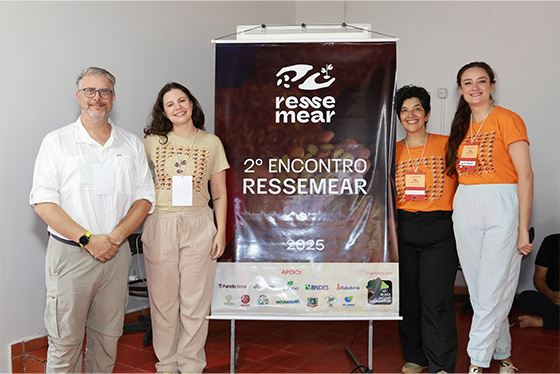
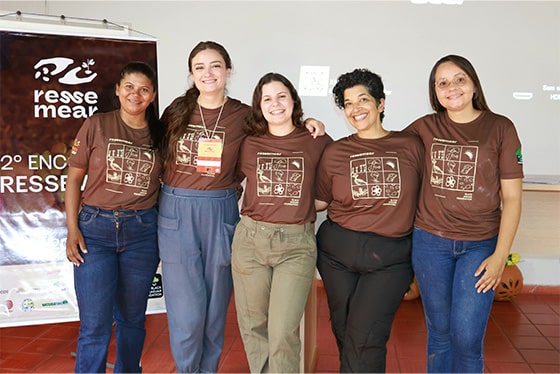
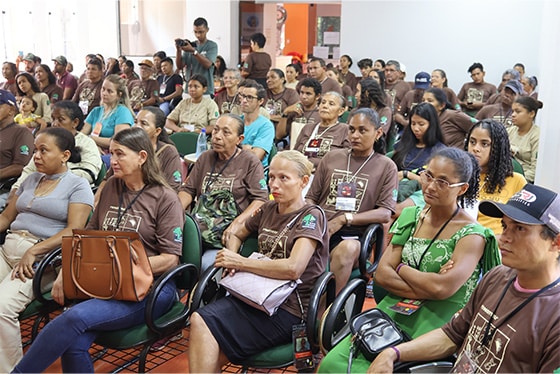
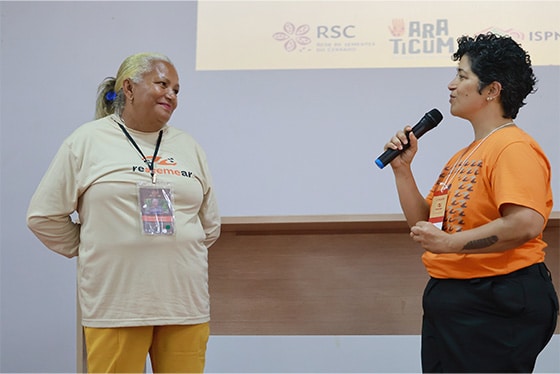
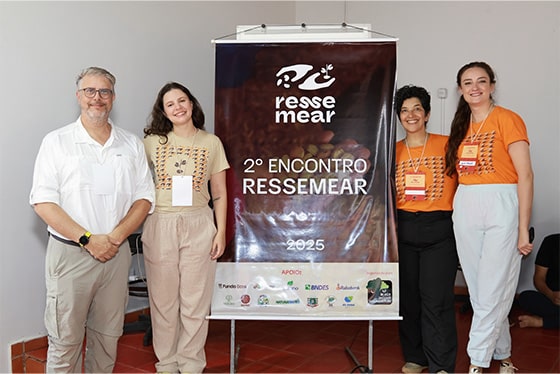
2nd BJF Araguaia Seed Network Meeting brings together over 120 participants at Caseara (Tocantins, Brazil)

By News Home

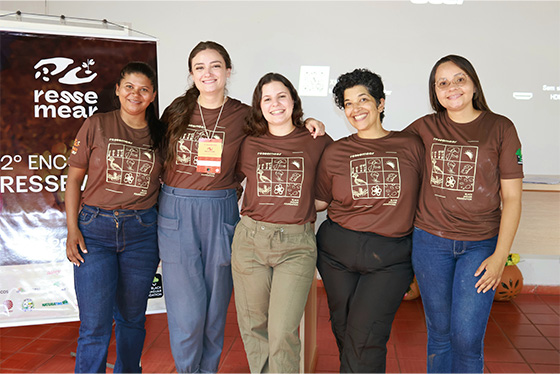
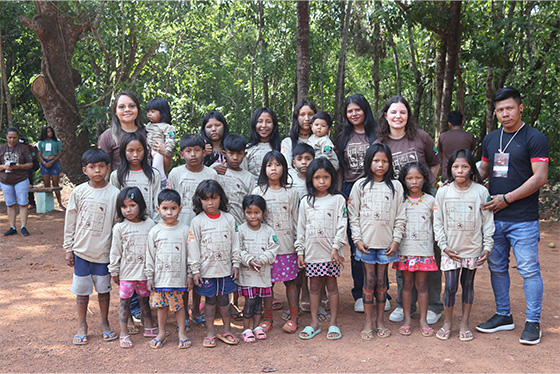
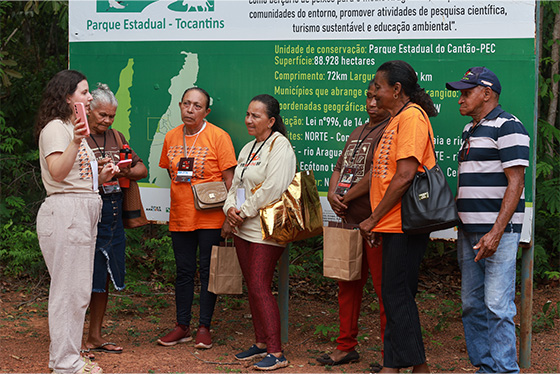
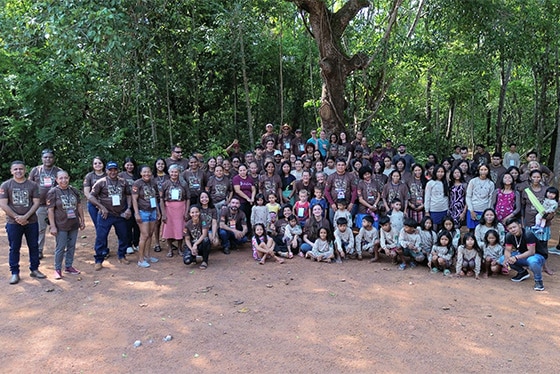
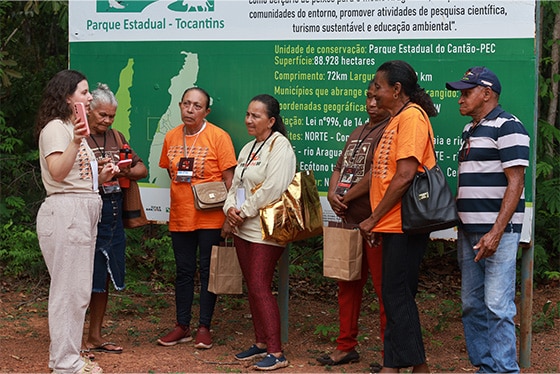
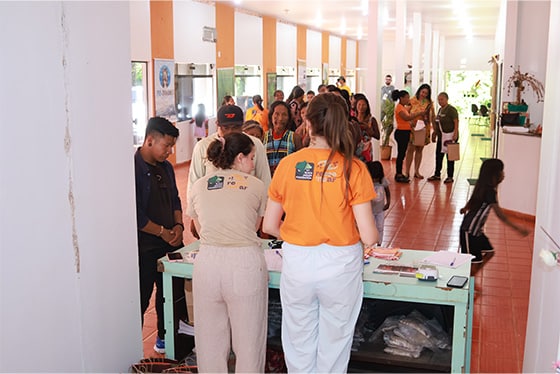
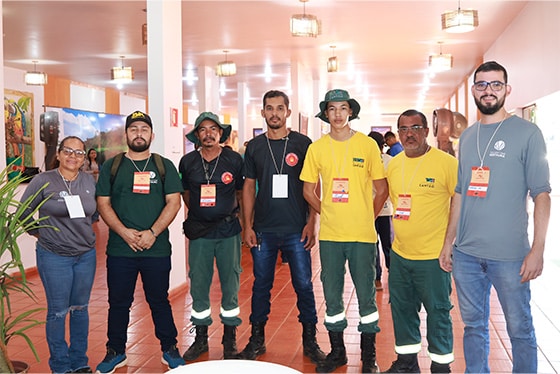
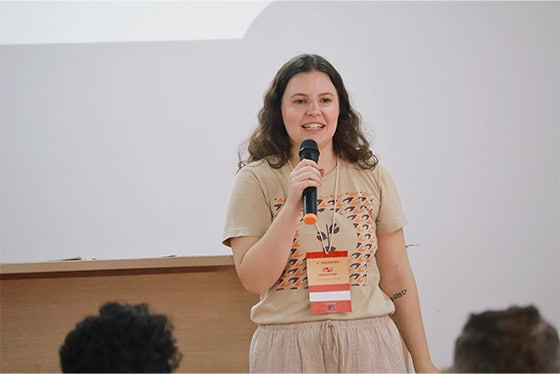
The 2nd Ressemear Meeting was a milestone for the seed collector network supported by the Black Jaguar Foundation. Over two days, Cantão State Park became a space for reconnecting, sharing knowledge, and exchanging experiences, uniting collectors from different groups and municipalities around a single purpose: strengthening ecological restoration through native seeds. 

One of the main focuses of the meeting was the progress toward formalizing the Araguaia Seed Network, an essential step to ensure greater strength and independence for the collectors who are part of this journey. The discussions and activities around this topic brought forward reflections and pathways that will continue to evolve throughout 2026. 

Another highlight was the ongoing effort to improve the quality of the seeds collected. Exchanges among participants led to new practices, ideas, and insights on seed processing and handling, further enhancing the care taken at each stage of the collection process. 

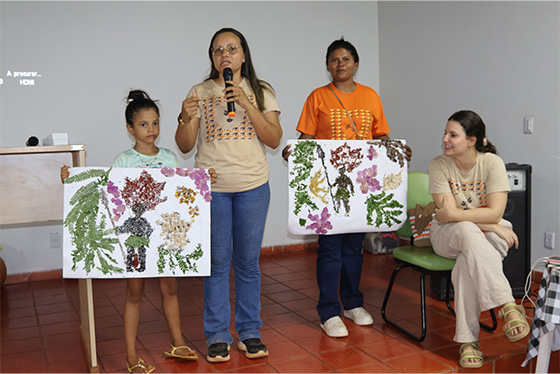
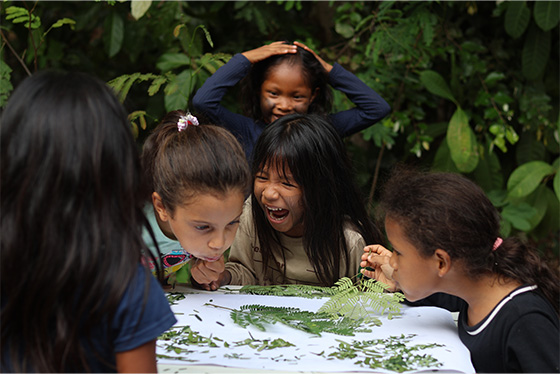
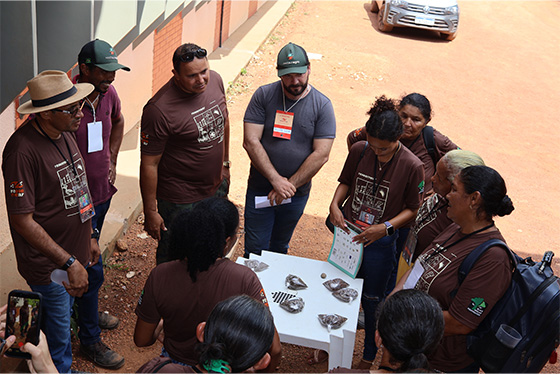
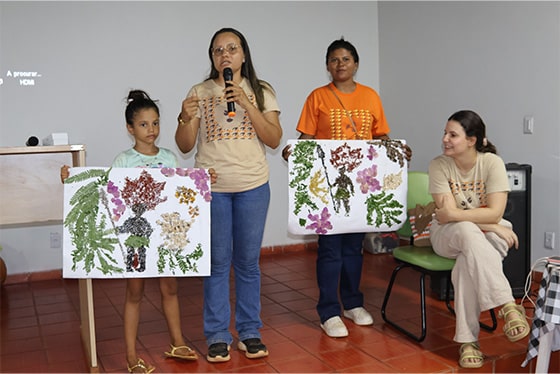
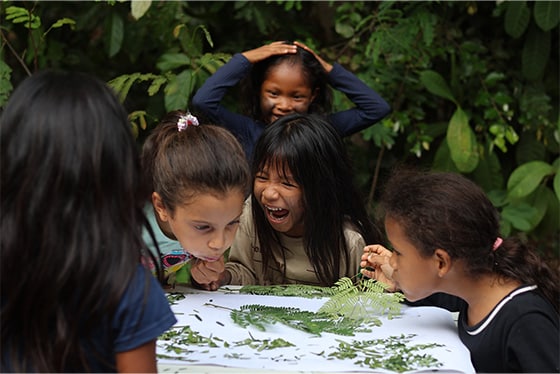
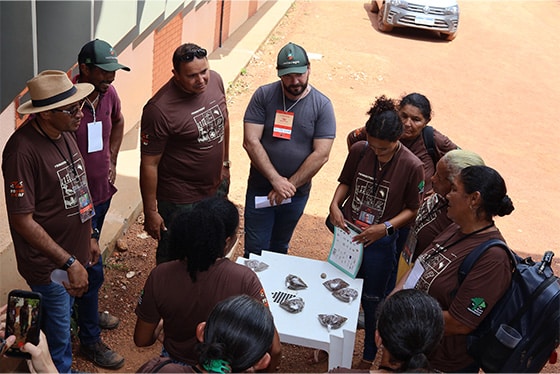
The program also included hands-on workshops on seed processing and communication & social media — moments filled with interaction, learning, and practical tools. Collectors had the chance to test new strategies and share their own experiences. 

One of the most memorable moments was the group activity on community protagonism in the restoration chain, which brought collectors together in a collective creation: a piece of content that will be presented at COP30 by the Black Jaguar Foundation, representing the voice of local communities and their shared commitment to the future of our forests. 

The event was a major celebration of the work carried out by everyone involved in the Araguaia Seed Network. More than a meeting, it was the reaffirmation of a partnership that grows each year and is already moving forward with new goals and plans for 2026. 

The Black Jaguar Foundation extends its gratitude to all supporters who made this moment possible, including Cantão State Park, the Xingu Seed Network, Portal Amazônia, and the Ecos Fund.