The 2026/2027 planting season is underway! This year, we have set ourselves an ambitious goal: to restore approximately 500 hectares in a single planting season.
To achieve this, different restoration techniques will be used, depending on the characteristics of each area. In addition to planting native seedlings, our work includes mixed planting, which combines direct seeding and seedlings, as well as assisted natural regeneration, which encourages the growth of vegetation already present in the area.
Want to learn more about natural regeneration? Watch the video!
Restoration begins long before planting
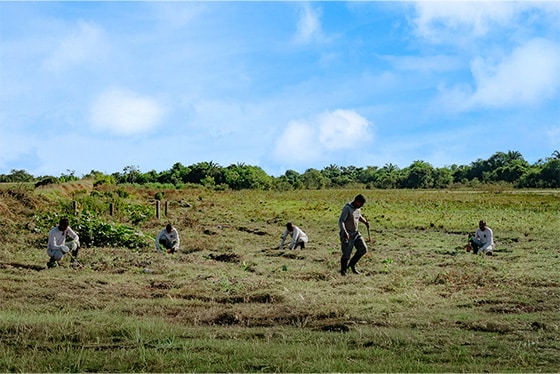
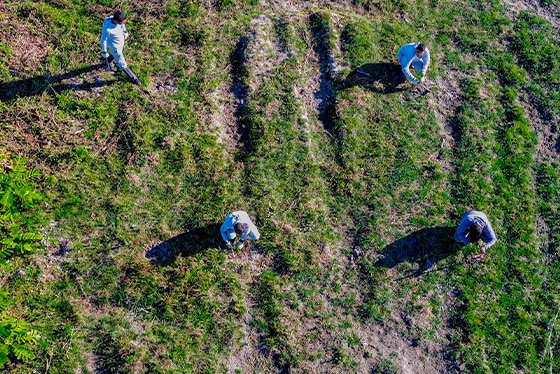
Before a new area is ready to receive seedlings, several important steps need to take place. Soil preparation, digging planting holes, applying organic fertiliser and managing existing vegetation are all part of the process.
And this work is already underway! In the first areas of the season, our field teams have made significant progress with site preparation, and thousands of seedlings have already been delivered to support the next stages of restoration.
More people becoming part of restoration
One of the highlights of this season is the expansion of our work with small-scale rural producers. In Santana do Araguaia, Pará, the Black Jaguar Foundation is partnering with Conservation International (CI-Brazil) to support restoration efforts on seven small rural properties.
This initiative brings ecological restoration closer to local communities and recognises the important role rural producers play in conserving biodiversity. Across the participating properties, different approaches are being implemented, including native seedling planting, agroforestry systems and the integration of trees into pastureland.
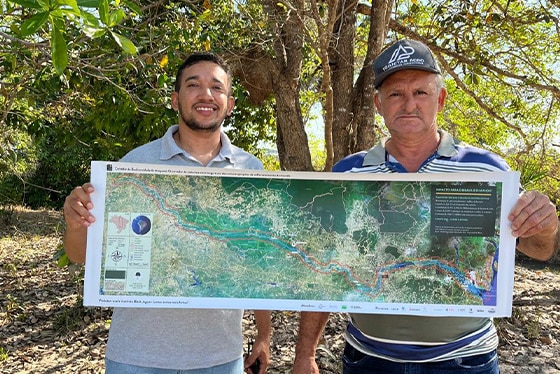
This initiative is part of the Forest for Well-being (Floresta para o Bem-Estar) project, implemented by Conservation International (CI-Brazil) in partnership with local organisations and funded by the Brazilian Development Bank (BNDES) through the Amazon Fund. The project supports the restoration of degraded areas and the strengthening of the native seed and seedling supply chain across the states of Acre, Amazonas, Mato Grosso and Pará. It also aims to foster greater public engagement with the restoration agenda.
The coming months will be full of activity!
A planting season involves careful planning, site preparation, the dedication of field teams and collaboration with a wide range of partners. Now, as the rainy season progresses, new areas will begin to come to life.
Our goal is ambitious, but every step brings us closer to achieving it. Together with rural producers, partners and local communities, we continue working to restore more areas and strengthen the Araguaia Biodiversity Corridor.