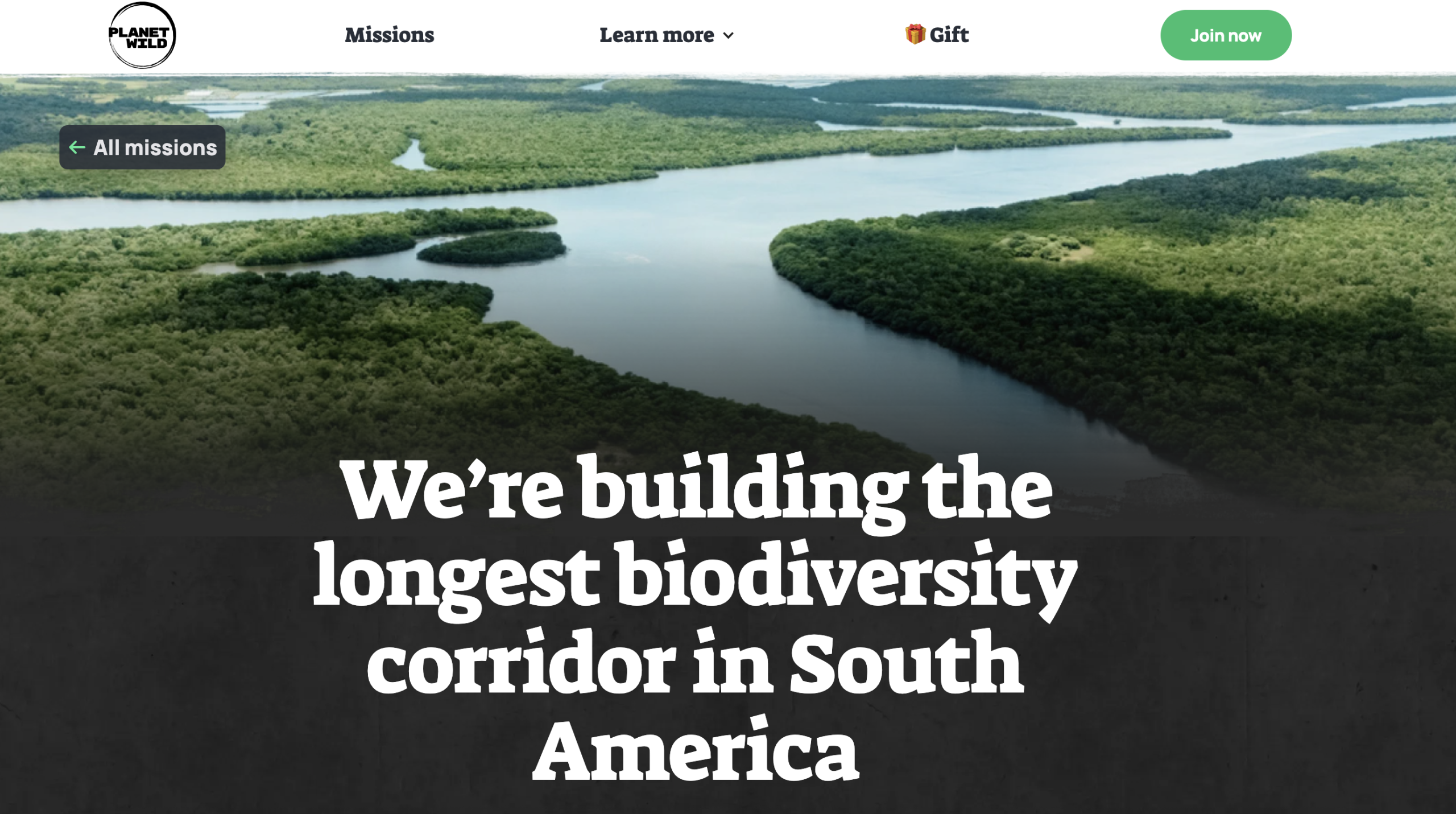


2026 is starting with exciting news! The Black Jaguar Foundation was selected by Planet Wild as one of the twelve environmental projects recognised this year for developing inspiring solutions to give back to nature. Through powerful documentaries, the organization highlights how the world’s most impactful environmental initiatives create real change on the ground.
The video featuring our work has already reached over 500,000 views in its first week! Bringing global attention to the importance of large-scale restoration in Brazil through win-win partnerships with farmers and local communities.
This is a powerful recognition of the work our field teams carry out every day, restoring nature and mobilizing communities to realise the Araguaia Biodiversity Corridor.
Soy plays a major role in ensuring food security for everyone across the globe. However, its rapid expansion has also placed enormous pressure on the Cerrado, one of the most biodiverse savannas on Earth. That’s why the Black Jaguar Foundation works hand in hand with farmers, partners, and local communities to promote a win-win approach in restoring degraded land with native trees. We are proving that agricultural production and large-scale ecological restoration can work together as one team.
While the documentary refers to a corridor of 1 million hectares, this figure represents the hectares we will restore. By connecting our restored areas with existing native vegetation on farms, indigeneous territory and conservation units, the Araguaia Biodiversity Corridor will extend far beyond this number, creating an even much larger continuous landscape for biodiversity to thrive.
And Planet Wild’s support goes beyond the documentary. Planet Wild is also co-funding the ecological restoration of 30 hectares during the 2025/2026 planting season, financing native seed collection, seedling production, planting, and three full years of monitoring.
Ready to join PlanetWild and become our new corporate sponsor-partner or donor? Just send us an e-mail today at info@black-jaguar.org or donate any amount here.