The BJF Araguaia Seed Network is entering an important new chapter in its development. As it grows, strengthening its internal organisation becomes essential to ensuring that its activities can be managed collectively, with greater clarity, autonomy and shared responsibility.
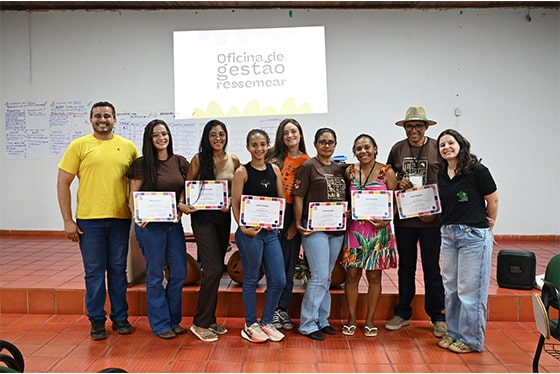
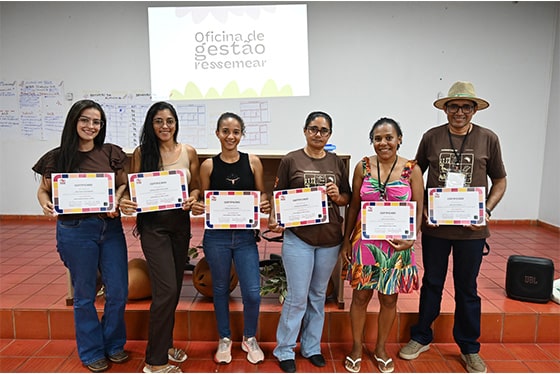
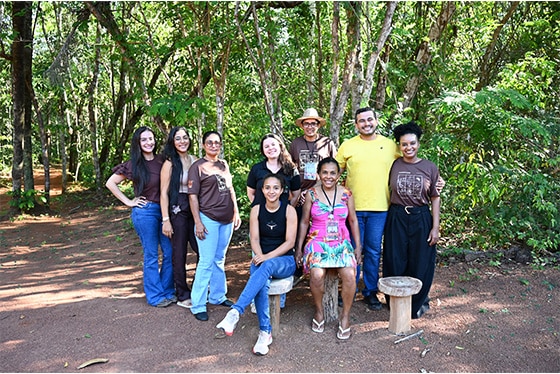
With this in mind, we held a Management Workshop at Cantão State Park (Tocantins, Brazil), bringing together six seed collectors who volunteered to take on responsibilities across four key areas: Communications, Sales, Finance and Accountability.
The goal was to look at how the network operates as a whole, identify the processes involved in its activities and establish clearer roles and responsibilities among its members.
The programme began with a collaborative exercise in which participants used cards representing different activities, such as seed collection, deliveries and sharing information with the finance team, to map out the network’s workflows. Together, they identified which tasks happened in sequence, which took place simultaneously and what steps still needed to be included.
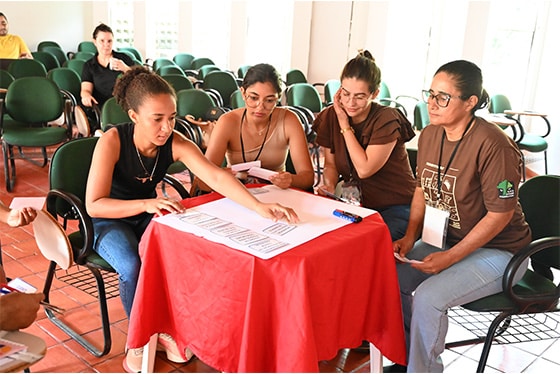
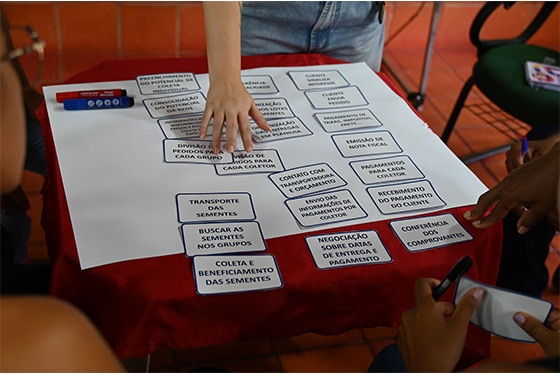
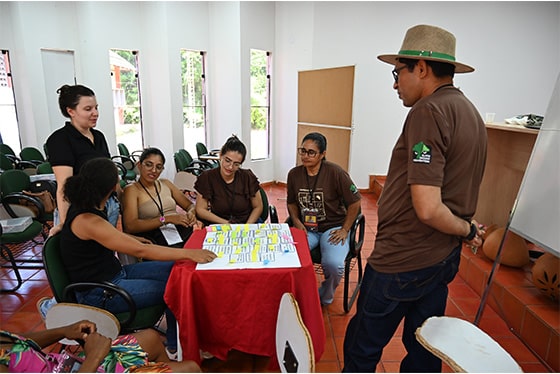
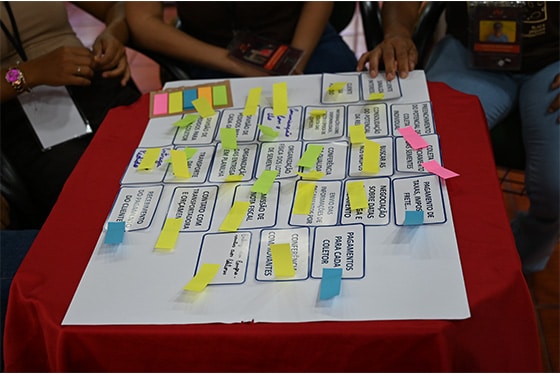
This exercise helped participants look beyond individual tasks and understand how the different stages of the seed supply chain connect with one another, from field operations to administrative and management processes.
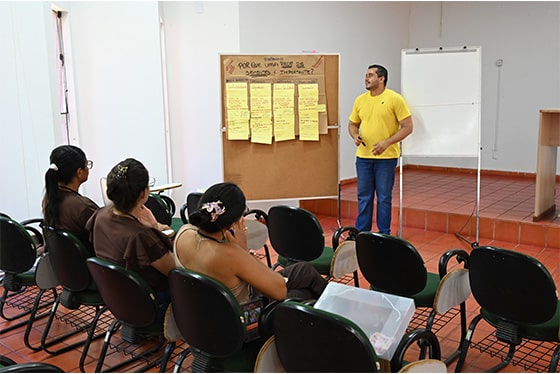
Next, Carlos Eduardo, a forestry engineer and Business Administration student, led a discussion on processes and their importance in building stronger organisations.
Using everyday examples, such as preparing and serving coffee, as well as rural activities like planting cassava, he introduced the PDCA cycle: Plan, Do, Check and Act. This approach helps organisations structure their activities, monitor results and identify opportunities for improvement.
These principles were then applied to the BJF Araguaia Seed Network’s own reality. With clearly defined processes, everyone can better understand their responsibilities, make decisions and handle matters within their respective areas, while also knowing when collaboration or support from others is needed.
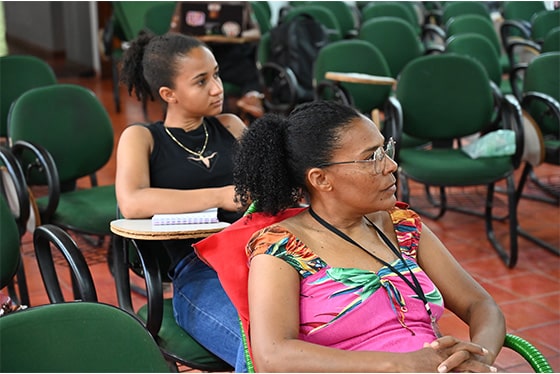
In the afternoon, discussions focused on the specific responsibilities of each area and how they connect with one another. Participants worked in groups to explore the roles of each team, define key responsibilities and agree on guidelines to help organise their work.
At the end of the workshop, everyone came together again to share their decisions and align on the next steps.
The workshop marked another important step in network’s organisational development. By building processes collectively and giving seed collectors an increasingly active role in managing the network, the BJF Araguaia Seed Network is strengthening its foundations for the future.
More than establishing procedures, this is about building a network in which responsibilities are shared, people have the autonomy to take action, and everyone has a clear understanding of how their contribution supports the collective effort.
With stronger organisation and greater participation from its members, the BJF Araguaia Seed Network is preparing to grow while remaining true to what makes it unique: a network built by seed collectors, working together to strengthen restoration across the Araguaia region.