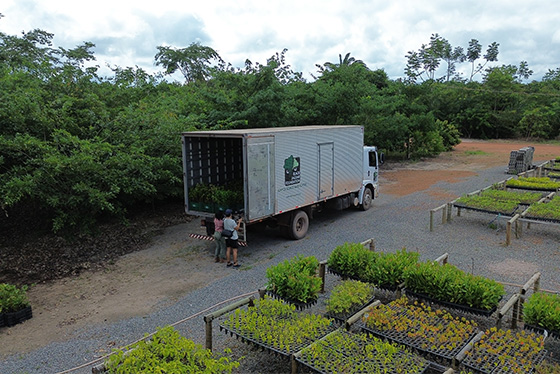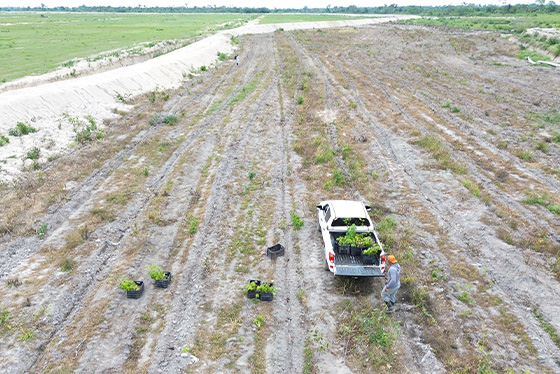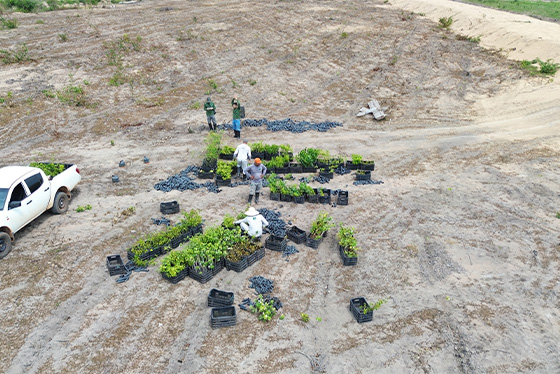


For the 2025/2026 planting season, Black Jaguar Foundation is set to restore approximately 280 hectares, applying a combination of ecological restoration strategies. These include direct seedling planting, direct seeding using the muvuca (seed mix) method, and assisted natural regeneration, tailored to the specific conditions of each area.
And the results are already taking shape. So far, 70% of the planned implementation has already been completed, along with essential site preparation activities such as fencing, mowing, selective herbicide application, opening planting lines, and soil fertilization—key steps to ensure successful restoration.
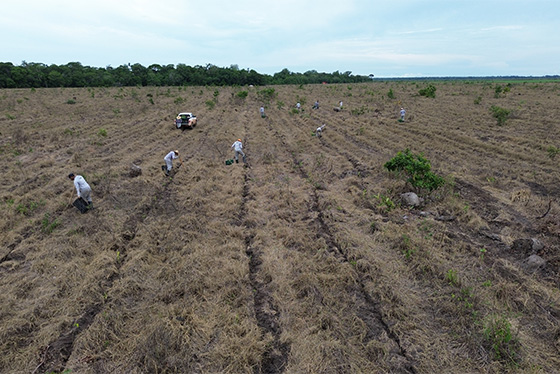
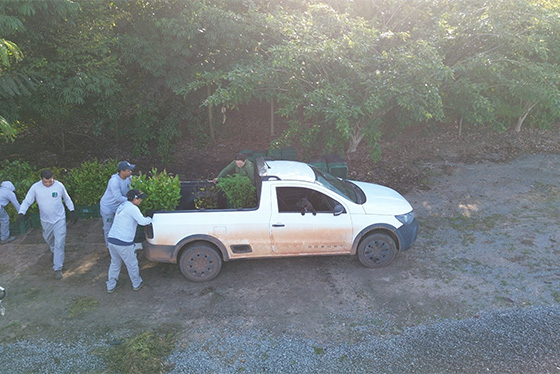
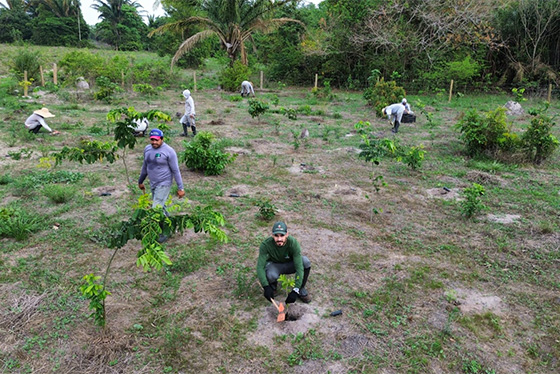
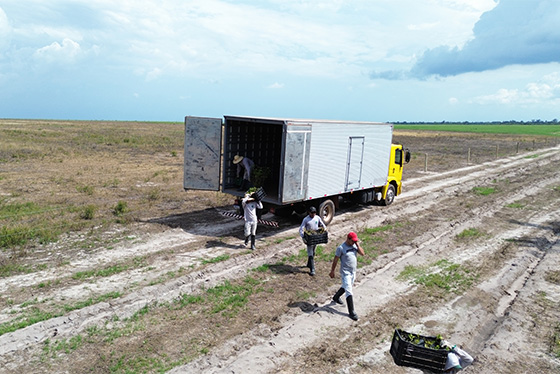
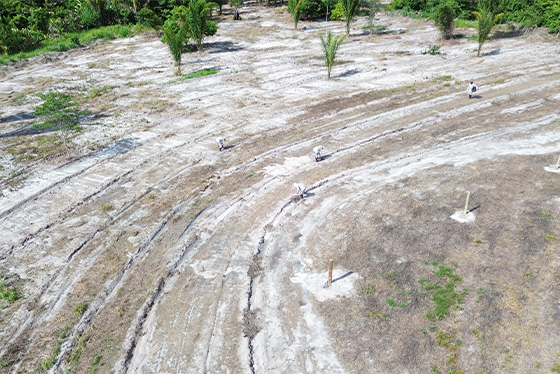
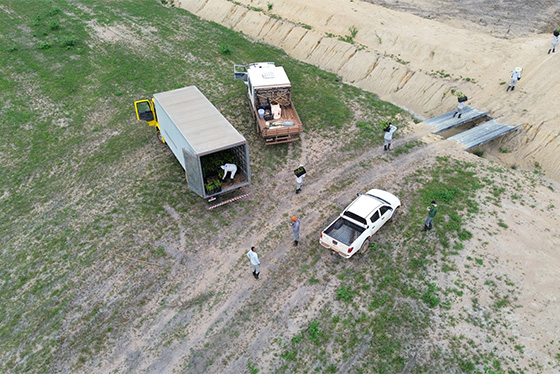
Throughout the remainder of the planting season, work continues on the remaining 30% of the areas, with completion expected by mid-March. Activities are being carried out across 11 partner farms involved in the project, reinforcing the collaborative efforts with farmers to ensure a high standard of quality in ecological restoration.